Tag: women’s health

  • Navigating the Heartbreak: Miscarriage Agony and its Forms

    Navigating the Heartbreak: Miscarriage Agony and its Forms

    When the dream of holding a little one slips away too soon, the silence behind can be louder than words. Miscarriage is not just a medical term; it is a heartbreak that touches millions of women and families around the world. The loss of a pregnancy before the 20th week, known as a miscarriage, is a far more common experience than often discussed, affecting an estimated 1 in 4 recognised pregnancies. This medical event is not a single entity but occurs in several forms, each with distinct characteristics. These forms include threatened miscarriage, incomplete and missed miscarriage.

    Some studies have shown that a significant number of women may meet the criteria for post-traumatic stress disorder after a miscarriage. 

    Types of Miscarriage

    A threatened miscarriage involves symptoms like vaginal bleeding, with the cervix remaining closed, and the pregnancy may still continue. An inevitable or incomplete miscarriage involves significant bleeding and cramping, where the cervix has now opened and some, but not all, pregnancy tissue has passed. Finally, a missed miscarriage is a particularly poignant type where the embryo has stopped developing. The body may still not have recognised the loss, which is often discovered during a routine ultrasound without symptoms.

    What Causes a Miscarriage?

    Among the miscarriages that occur in the first trimester, about half result from a chromosomal abnormality. These genetic abnormalities prevent the embryo from developing properly. In these cases, the miscarriage doesn’t happen because you did anything “wrong”—it was simply the result of an abnormality.

    In the second trimester, chromosomal and structural abnormalities of the fetus can contribute to miscarriage. But at this stage, a miscarriage is more commonly associated with other problems, such as malformation of the uterus, the development of growths in the uterus (called fibroids), uterine infection, and certain medical conditions.

    Other factors that can cause or contribute to miscarriage include:

    • Significant radiation exposure
    • Bacterial infections that can inflame the lining of the uterus
    • Certain chronic medical conditions, like unmanaged diabetes and thyroid problems
    • Excessive drug or alcohol use
    • Hormone problems
    • Immune system disorders, including lupus
    • Older parental age (chromosomal abnormalities are more likely to occur in the eggs and sperm of people over 35)
    • Smoking

    While not all miscarriages can be prevented, proactive steps can significantly optimise health for a future pregnancy. The foundation of this is preconception care, which involves consulting a gynaecologist before trying to conceive. This allows for managing chronic conditions, reviewing medications, and starting essential supplements (most critically high-dose folic acid) as early as possible to support fetal development from the very first moments. Once pregnant, diligent antenatal care is crucial. Attending all scheduled visits allows for early detection and management of potential issues, providing the best possible chance for a healthy, full-term pregnancy.

    Management of miscarriages

    Following a diagnosis, a gynaecologist will discuss management options tailored to the specific type of miscarriage and the patient’s health. There are 3 primary approaches to management. These include expectant management, medical, and surgical management.

    Management Options for Miscarriage: Expectant, Medical, and Surgical

    Expectant management involves allowing the body to pass the tissue naturally over time. This method can be successful but can take some time to complete and involves experiences like heavy bleeding and strong cramps. Medical management, on the other hand, utilizes medications such as misoprostol to induce contractions and expel the tissue. Mifepristone helps block the hormone needed to maintain pregnancy. Surgical management, also known as Manual Vacuum Aspiration (MVA) or Dilation and Curettage (D&C), is a minimally invasive procedure to gently remove any remaining tissue from the uterus. The choice depends on factors such as gestational age, the amount of bleeding, and the patient’s emotional and physical preferences, with the core goal being a complete and safe resolution to prevent infection.

    Emotional Impact of Miscarriage

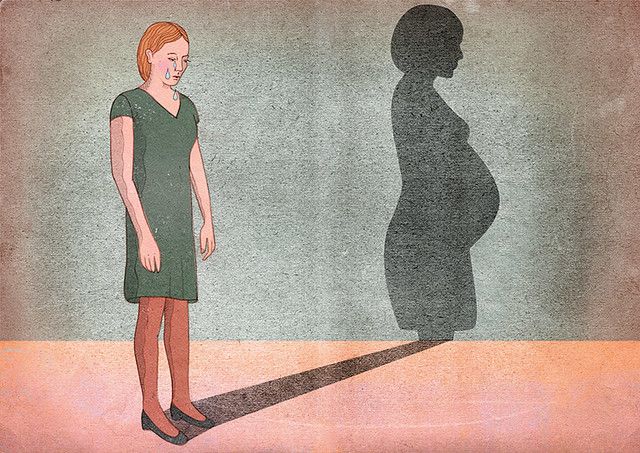
    The emotional toll of a miscarriage is profound and unique to each individual and family. For the woman, it is a devastating physical and psychological event, often accompanied by feelings of profound grief, guilt, and a sense of failure. The loss is not just of a pregnancy, but of the dreams, hopes, and future envisioned for that child. Partners also grieve deeply, and the experience can place significant strain on a relationship as each person may process the grief differently. This collective sorrow is frequently compounded by a culture of silence, leaving many to suffer in isolation, unsure how to articulate their pain or seek support.

    Offer simple, heartfelt words of sympathy and validate their pain rather than using dismissive phrases. 


    Miscarriage Prevention

    In the painful aftermath of a loss, consulting a gynaecologist is also a critical step toward understanding the cause and helping to prevent recurrence. A healthcare provider can ensure that the miscarriage is managed completely and safely. Furthermore, they can order tests to investigate potential underlying causes, such as uterine abnormalities, autoimmune disorders, untreated infection, trauma, or genetic factors. While many miscarriages are caused by chromosomal abnormalities that are random and unlikely to repeat, identifying a treatable issue can provide a clear pathway to a healthier future pregnancy. This proactive medical partnership offers not just clinical care but immense hope and emotional reassurance to grieving parents, transforming a sense of helplessness into empowered action for the future.


    Ultimately, miscarriage is not a reflection of a woman’s worth or ability to carry a child. It is a deeply human experience that deserves compassion, understanding, and acknowledgment. By shedding light on it, we honor the silent grief many carry and remind them they are not alone.
  • The Fibroid Fight: The Hidden Burden Many Women Carry.

    The Fibroid Fight: The Hidden Burden Many Women Carry.

    Uterine fibroids are among the most common gynecological conditions affecting women globally. These non-cancerous growths develop in or on the walls of the uterus and vary widely in size and number. For many, the first signs appear subtly with heavy menstrual bleeding, persistent pelvic pain, and frequent urination. Over time, these symptoms can spiral, disrupting daily life, intimacy, fertility, and emotional well-being.


    What Are Fibroids?

    Uterine fibroids — also known as leiomyomas — are among the most common gynecological conditions worldwide. These non-cancerous growths form in or around the uterus and vary widely in size, number, and location. While some fibroids are as small as a pea, others can grow as large as a watermelon. Many women may develop a single fibroid, while others experience multiple.

    Fibroids typically occur between the ages of 15 to 49, fueled by estrogen. There are several types based on their position:

    • Intramural: Within the muscular wall of the uterus
    • Submucosal: Beneath the uterine lining, protruding into the cavity
    • Subserosal: On the outer wall of the uterus
    • Pedunculated: Attached by a thin stalk inside or outside the uterus

    Different types of Fibroids

    A diagram showing different types of fibroids and their location.

    What Causes Fibroids?

    The exact cause remains unclear, but several contributing factors have been identified:

    • Genetics: A family history increases your risk significantly.
    • Parity: Women who have never been pregnant (nulliparous) face a higher risk due to sustained estrogen exposure. In contrast, multiple pregnancies may offer protective hormonal effects.
    • Obesity: Increased fat tissue raises estrogen levels, encouraging fibroid growth.
    • Smoking: Although not a direct cause, smoking may complicate fibroid treatment by affecting healing and circulation.

    Common Symptoms of Fibroids

    Some women may show no symptoms at all. However, fibroids can cause disruptive and progressive signs, including:

    1. Heavy or prolonged menstrual bleeding (Menorrhagia): Due to impaired uterine contractions.
    2. Pelvic pain or pressure (Dysmenorrhea): Caused by fibroid pressure on nearby organs.
    3. Frequent urination: Frequent urination can be a symptom of uterine fibroids, particularly when they grow large enough to press on the bladder.
    4. Cosmetic and anatomical changes: Enlargement or distortion of the uterus may lead to visible bulging.
    5. Infertility and miscarriage: Especially when fibroids interfere with implantation or pregnancy continuity.

    How Are Fibroids Diagnosed?

    Diagnosis typically begins with a detailed medical history and physical exam, where your gynecologist will explore:

    • Menstrual cycle patterns.
    • Pain location and severity.
    • Signs of anemia.
    • Uterine enlargement or tenderness.

    Pelvic examination, pap smear, and abdominal inspection follow. Imaging tests such as ultrasound and MRI confirm the fibroids’ type, size, and location, guiding the treatment strategy.


    How Are Fibroids Managed?

    Management of fibroids highly depends on the lady, their age, and their fertility goals will now determine what procedures will be undertaken.
    Options of Treatment

    Conservative approach. This focuses on managing symptoms and preventing the need for surgery, rather than directly removing the fibroids. This approach includes watchful waiting and medications. It’s a safe option for many women, especially those approaching menopause, as fibroids often shrink during and after menopause.

    Medical approach. It focuses on managing symptoms and, in some cases, shrinking the fibroids. Common approaches include hormonal medications to regulate periods and potentially shrink fibroids, pain relievers for symptom management, and non-surgical procedures like uterine fibroid embolization. Atrial embolization is a minimally invasive procedure where tiny particles are injected into the blood vessels supplying the fibroids, cutting off their blood supply and causing them to shrink.

    Surgical approach.

    Myomectomy: Myomectomy allows you to have your fibroids removed and get relief from your symptoms while still preserving your uterus. It’s a viable option for women who are still interested in having children.

    Hysterectomy: A hysterectomy is the complete removal of the uterus and can be ideal for people with multiple, large fibroids who don’t plan to have children.

         Fibroids may recur even after surgical removal, especially if the individual remains within the reproductive age range, as the hormonal environment continues to support their growth.

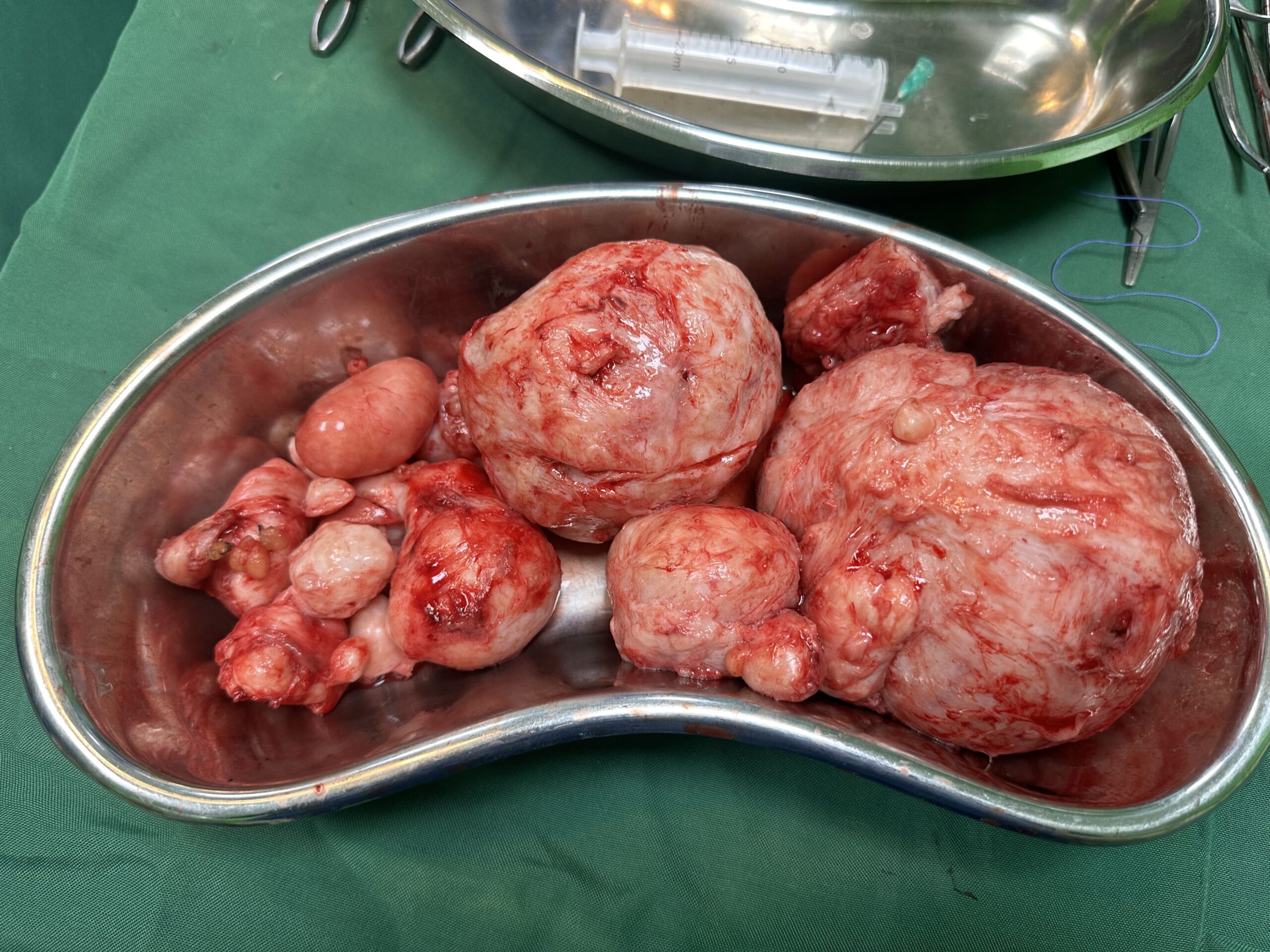
    Image of Removed Fibroids
    Image of Removed Fibroids

                                               Fibroids that have been surgically removed.

    Care after Surgery

    Early Ambulation.  Walking around post-fibroid surgery promotes proper blood circulation throughout the body, reduces the risk of post-operative complications such as deep vein thrombosis, and supports a faster recovery process.

    Blood Transfusion.  Procedures such as myomectomy may result in significant blood loss, necessitating blood transfusion to manage or prevent anemia-related complications.

    In Conclusion

    Women need to understand the symptoms associated with uterine fibroids. While some fibroids may remain asymptomatic, warning signs often include irregular heavy menstrual bleeding, lower abdominal swelling or pressure, frequent urination, and, in some cases, fertility challenges. Recognizing these symptoms early enables timely diagnosis and effective management.  Once diagnosed, it is important to engage in an open and informed discussion with your gynecologist. Together, you can navigate treatment options and plan for ongoing care that supports your reproductive health. With the right medical support, fibroids are treatable, allowing you to embrace womanhood fully and live a vibrant, healthy life.

  • Taking Charge of Your Health: A Modern Woman’s Guide to Obstetrics and Gynecology.

    Taking Charge of Your Health: A Modern Woman’s Guide to Obstetrics and Gynecology.

    Gynecology and obstetrics are crucial fields in women’s healthcare, addressing a wide range of medical concerns, with cervical cancer being one of the most noteworthy. According to the World Health Organization (WHO) in 2023, cervical cancer ranked as the fourth most common cancer among women worldwide, with approximately 660,000 new cases and 350,000 deaths reported in 2022.https://www.who.int/news-room/fact-sheets/detail/cervical-cancer

    Speaking with Savannah Hospital’s Obstetrician, Gynecologist Consultant, and Infertility Specialist, Dr. Wachira Murage, who brings 32 years of expertise to the field, he provides an in-depth analysis of the correlation between gynecology and obstetrics. Gynecology focuses on diagnosing and treating diseases of the female reproductive system, including conditions such as cervical cancer, uterine fibroids, endometriosis, and fertility issues. It plays a critical role in women’s health, addressing concerns that may impact their overall well-being and reproductive capabilities. On the other hand, Obstetrics is dedicated to comprehensive maternal care, covering prenatal health, childbirth, and postpartum recovery. This field ensures the health of both mother and baby throughout pregnancy and delivery, offering medical guidance and support to reduce complications and improve maternal outcomes.

    “Walking through the pregnancy journey with expectant mothers and upto 6 weeks after delivery when a woman’s body begins to return to its pre-pregnancy state.  Anything to do with pregnancy is what we call obstetrics.”

    For a normal gynecological examination, the gynecologist must first understand the patient’s complaints and symptoms to provide an accurate diagnosis and appropriate care. One of the commonest complains in gynecology is vaginal discharge. The nature of the vaginal discharge in terms of itchiness, smell and irritation will depend on the approach of diagnosis. Dr. Wachira asserts that patient history taking is the first important step, where you need to listen to their stories, and it will lead to what tests to do and planning of the treatment they need.

    “History taking will result in what examination a patient needs. A gynecological examination can involve abdomen and vaginal examination. Vaginal examination involves inspection through speculum examination where you want to see the inside of the outer female reproductive system. The next thing you want to do is palpation, where you use your hands to feel and assess the internal and external reproductive organs.”

    The types of gynecological infections vary from bacterial, fungal, and viral. Candidiasis is the most common infection caused by a yeast called Candida. One of the viral infections is Human Papillomavirus (HPV), which is now considered the cause of cervical cancer. Notably, you find cases of uterine fibroids and ovarian cysts of all types. Endometriosis is a chronic gynecological condition that has been referred to as the ‘missed disease’ due to its unclear etiology and inconsistencies in its diagnosis and management. Initially, people used to treat pelvic inflammatory diseases, and forget to look into endometriosis.

    Treatment and management of gynecological disorders vary depending on the type and stage of the infection. From recurrent infections like Candidiasis to uterine fibroids, where gynecologists treat symptomatic fibroids, which may include heavy or prolonged periods, bleeding between periods, pelvic pain, or abdominal discomfort. Once you have carried out a thorough systematic examination of the diagnosis, you can plan the pathway of management and counselling.

    “ Endometriosis can affect can affect the bladder and the gut, then you need a GID surgeon. If it affects, say, the bladder, you need a bladder surgeon. Yeah, so it’s normally a multidisciplinary kind of approach in some of those conditions. Some of them, of course, like fibroids, we deal with it. But other conditions like malignancy or endometriosis, we need the inputs of other specialists.”

    Some of the common misconceptions people have about gynecological health include;

    • Many believe that gynecologists should only be consulted during pregnancy or when a health issue arises. However, Obstetrician and Gynecologist Consultant Dr. Dorel Ndayisaba, with 10 years of expertise, emphasizes the importance of regular gynecological check-ups for preventive care.
      Routine visits can help detect conditions such as cervical cancer, sexually transmitted infections (STIs), and hormonal imbalances at an early stage, often before symptoms manifest. As with any aspect of health, prevention and early detection are essential in ensuring timely intervention and improved outcomes for women’s reproductive well-being.
    • Painful periods are normal—you just have to deal with them.
      While mild discomfort/cramps can be normal, severe period pain may be a sign of conditions like endometriosis, fibroids, or pelvic inflammation. Many women suffer in silence, thinking it’s something they have to endure, when in fact, it’s treatable.

    Indicators often serve as warning signs of potential underlying health issues that may develop or worsen over time. Here are the signs women should never ignore when it comes to their health:

    1. Abnormal Vaginal Bleeding

    This includes bleeding between periods, after sex, or after menopause. While it may sometimes be harmless, it can also signal serious conditions like uterine fibroids, hormonal imbalances, endometrial hyperplasia, or even cervical or uterine cancer. Early evaluation can be life-saving.

    1. Persistent Pelvic Pain

    Ongoing or recurring pain in the lower abdomen or pelvis (especially if it interferes with daily life) should never be brushed off. It could be a sign of endometriosis, pelvic inflammatory disease (PID), ovarian cysts, or even early-stage cancer. Many women normalize pelvic pain, but it deserves proper medical attention.

    In recent years, cases of women’s reproductive health issues have been increasingly prevalent in Africa. Dr. Dorel Ndayisaba outlines the biggest challenges affecting women’s health equity.

    1. Limited access to quality maternal and reproductive health services.

    Despite efforts to expand universal health coverage, many women in Africa (especially in rural or underserved areas) still lack access to skilled birth attendants, family planning, emergency obstetric care, and safe abortion services. Health systems often face underfunding, workforce shortages, and supply chain disruptions, which directly affect maternal and newborn outcomes.

    1. High burden of preventable conditions like cervical cancer and unsafe abortions.

    Cervical cancer remains a leading cause of cancer death among African women, largely due to low HPV vaccination and screening rates. Meanwhile, unsafe abortions continue to be a major contributor to maternal deaths, often due to legal, cultural, or logistical barriers to accessing safe services.

    1. Sociocultural barriers and misinformation.

    Deep-rooted stigma, myths around contraception or menstruation, and gender-based violence limit women’s ability to make informed reproductive choices. Adolescents and unmarried women, in particular, often face discrimination or lack access to youth-friendly reproductive services.

    There is a need to consider key health policy approaches that would significantly improve women’s health services in Africa and reduce the cases revolving around women’s reproductive health.

    1. Universal access to reproductive and maternal health services

    Policies should ensure free or subsidized access to essential services like antenatal care, skilled birth attendance, emergency obstetric care, contraception, and safe abortion (where legal). Integrating these into national health insurance schemes or essential benefit packages would be crucial.

    1. Investment in women’s health workforce and infrastructure

    There is a need to implement more policies geared towards incentivizing training, deployment, and retention of female health workers, especially midwives and OB-GYN specialists, in underserved areas. Investment in medical equipment (e.g., for MIS), telemedicine, and mobile outreach would be a boost in the world of gynecology and obstetrics.

    1. Youth-friendly sexual and reproductive health policies

    Africa is composed of 60 % + of young people. Inadequately centered programs targeting the youth (both boys and girls) are a big gap that all governments should address. Creation and enforcement of policies that would provide appropriate reproductive health services to adolescents, including access to sexual and contraception education, and menstrual health education.

    Advancements in obstetrics and gynecological medicine have seen significant progress in recent years. According to Dr. Dorel, the following developments have played a key role in improving diagnosis and treatment outcomes:

    1. Growth of Minimally Invasive Surgery (MIS)

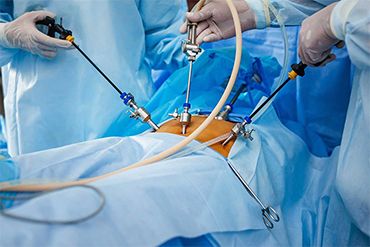
    There is a rising shift from open surgeries to laparoscopic and hysteroscopic procedures, particularly in urban referral centers. Minimally invasive techniques offer faster recovery, reduced hospital stays, and fewer complications; The benefits that are increasingly valued as surgical training improves and more hospitals invest in MIS equipment.

    Minimally invasive surgery

    2. Uptake of long-acting reversible contraceptives (LARCs)

    There is growing demand for implants and IUDs due to their convenience, effectiveness, and support from international donor programs. Training efforts are underway to equip mid-level providers to insert and remove LARCs safely.

    3. Renewed focus on endometriosis and menstrual health.

    Traditionally, underdiagnosed and poorly understood, endometriosis and menstrual disorders are gaining attention thanks to advocacy, research, and clinician training. There has been a record of more women speaking out, and medical curricula are slowly incorporating these conditions more comprehensively.

    4. HPV Vaccination & Cervical Cancer Screening Innovations.

    Countries are expanding HPV vaccination programs for adolescent girls, while self-sampling for HPV testing is being piloted to improve access to screening, especially in low-resource settings. Additionally, there is a push to integrate cervical cancer prevention into existing maternal and HIV care platforms.


    To better understand your gynecological symptoms or concerns, it is important to schedule an appointment with a qualified gynecologist. Dr. Wachira Murage advises that a medical professional should verify any information obtained online to ensure an accurate diagnosis and appropriate treatments.  If necessary, seek a second professional opinion to avoid undergoing unnecessary medical procedures. Be part of your treatment and understand why a particular procedure needs to be done.


    At Savannah Hospital, our board-certified specialists bring decades of clinical experience in the field of obstetrics and gynecology. We are committed to a patient-centered approach that emphasizes respect, confidentiality, and affordability. Our care packages are designed to promote preventive care and support early detection of potential health issues.