Tag: mental health

  • World Cancer Day 2024

    It started as a minor swelling around his left breast. He was a bright, enthusiastic teenager who loved playing soccer, reading adventure books, and spending time with his friends. He went on with normal tasks even going to school and church. The swelling gained momentum and not so long, people noticed his left breast was larger than the right. As soon as his classmates noticed the changes in his body, whispers and laughter followed him wherever he went. His once vibrant social life became overshadowed by the cruel taunts and teasing of his peers. The stigma surrounding his condition left him feeling embarrassed and ashamed, causing him to withdraw from activities he once enjoyed. Struck by stigma, he could no longer go out and mingle with his peers.

    After seeking medical attention in various facilities, he landed at The Savannah Hospital in Upperhill. His life took an unexpected turn when he was diagnosed with Burkitt’s lymphoma, a rare and aggressive form of cancer. Burkitt’s lymphoma is a highly aggressive non-Hodgkin’s lymphoma that can affect various parts of the body including breast. This sarcoma is identified as a rapidly fatal malignant lymphoma syndrome and 50% of all malignant tumors in children. However, breast involvement has not been documented. It commonly involves the jaw, facial bones, retroperitoneum, and abdominal viscera. The disease typically affects young patients in areas of high incidence, such as the jaw, whereas visceral involvement is more common in older patients in low-incidence areas. It is worth noting that breast involvement is extremely rare in Burkitt’s lymphoma.

    This 19-year-old male presented to our emergency department with a left breast swelling for 2 months associated with drenching night sweats, weight loss and evening fevers. Physical examination revealed a mass measuring approximately 15 × 16 × 15 cm in the widest dimension, skin hyperpigmentation, no nipple discolorations, discharges, and non-tender on palpation. Biopsy was done, and the histology report revealed lymphocytes with a high mitotic rate and frequent apoptotic bodies showing a starry-sky appearance.

    The patient underwent a pre-chemotherapy workup that included a lumber puncture for cerebral spinal fluid analysis to rule out central nervous system involvement, various blood tests, chest CT Scan (which showed no pulmonary metastases). He was put on medication that saw the swelling subside significantly and is doing better each day. We appreciate Dr. Kato and The Savannah Hospital for walking the journey with this vulnerable boy. The team has mobilised friends, family, peers and communities to offer the required support because we know that together we can achieve almost anything. We know anyone can get cancer, but not everyone has the same access to cancer care. We appreciate the efforts done by the Kenyan Ministry of Health in supporting Cancer patients and urge the Kenyan Government to ensure equality in Cancer Care for all.

    Research article done by:
    Dr kato Ronald et al. A rare case of Burkitt’s lymphoma of the breast in a 19-year-old male: Case report. Clin Case Rep. 2023 Oct 17;11(10):e8081. http://doi.org/10.1002/ccr3.8081. PMID: 37854259; PMCID: PMC10580697.

    Storyline by Celestine Nasimiyu.
  • Let’s talk about Mental Health

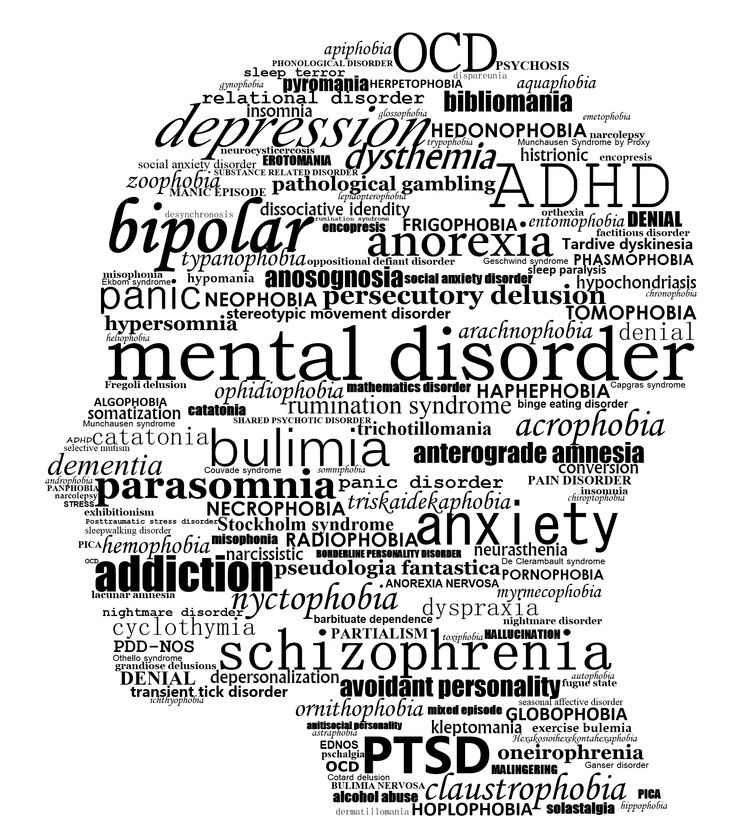
    Mental illness includes a wide range of conditions that affect how we feel and think. Most of these are first experienced in the late teens or early twenties, but may only emerge later in life.

    Like many physical illnesses, mental illnesses are thought to arise from the interaction of genetic vulnerability and stresses in life.

    An example of this vulnerability-stress model is heart disease, caused by the interaction of inherited vulnerability and lifestyle factors such as diet and level of physical activity. It’s not a question of ‘nature or nurture’ therefore, but the interaction of both. The same holds true of mental health problems. All of us have varying degrees of genetic vulnerability to developing mental illnesses, but these may only triggered depending on the degree of stress we experience – ‘stress’ in the widest sense, from possible exposure to viruses in the womb, through to early childhood experience, later drug use, or highly distressing events in relationships or at work. For people who are highly vulnerable, the stress may only need to be slight. For others who are more robust, it may be an extreme, traumatic event which triggers an episode of mental ill health.

    Mental illnesses includes the more common conditions such as Anxiety and Depressive disorders, as well as the far less common but often more severe conditions such as Schizophrenia and other forms of psychotic illness. Many are also affected by psychological conditions, such as Borderline personality disorder, for example.

    Mental illnesses vary in how long they affect people: sometimes a single episode, sometimes a lifelong condition.

    Mental illnesses vary in severity: sometimes transitory, sometimes causing psycho-social disability requiring long-term support.

    Thankfully, there are effective treatments and support which help most people affected to manage or even eliminate symptoms. These are not always easy to access however, especially for people living in regional and rural areas. Everyone affected, no matter to what degree, can be helped to recover as well as they can and lead a fulfilling life.

    What helps?

    Treatments for mental illness are generally very effective, when people receive optimal treatment.

    Unfortunately, not enough people receive this optimal, ‘best possible’ service because of a range of issues: under-resourced mental health services, difficulties in access, the challenge of providing services in rural and remote areas, and the high numbers of people not receiving treatment, as well as those who choose not to receive treatment because of their symptoms.

    Psychological treatments

    Many people affected by mental illnesses, especially Anxiety disorders, Depression and Borderline personality disorder, are helped by various form of psychotherapy – psychological, ‘talking’ treatments. These treatments help by giving an opportunity to talk about thoughts and feelings with a suitably-qualified therapist in order to understand why we think and feel in this way, and to adapt these in more helpful, positive, and less distressing ways.

    Medications

    For people affected by certain conditions (such as Schizophrenia, Bipolar disorder, and severe forms of Depression, for example), medication can be an important – even essential – part of treatment. It is important that the particular medication and dose is well-suited to help the person most effectively, and that side-effects are monitored and minimized.

    Support in the community

    For some people, severe, ongoing symptoms can cause psycho-social disability, affecting their ability to function independently in the community. Support services help the person to recover this ability as well as they can through assistance with rehabilitation, accommodation, and promoting access to education and employment.

    Staying mentally healthy

    Good mental health is as important as good physical health. It’s no surprise that both are helped by a healthy lifestyle – ensuring we get enough sleep and eat healthily; trying to keep stress to a reasonable level, and relaxing regularly, especially through physical exercise; keeping alcohol consumption to recommended safe limits, and – very importantly – staying in touch with family and friends.

  • Causes of mental illness

    Causes of mental illness

    Researchers are still trying to understand what causes mental illness. There is no one cause — it can happen due to a mix of factors including genetics, how your brain works, how you grew up, your environment, your social group, your culture and life experience.

    Causes of mental illness:

    • Genetic factors: having a close family member with a mental illness can increase the risk. However, just because one family member has a mental illness doesn’t mean that others will.
    • Drug and alcohol abuse: illicit drug use can trigger a manic episode (bipolar disorder) or an episode of psychosis. Drugs such as cocaine, marijuana and amphetamines can cause paranoia.
    • Other biological factors: some medical conditions or hormonal changes.
    • Early life environment: negative childhood experiences such as abuse or neglect can increase the risk of some mental illnesses.
    • Trauma and stress: in adulthood, traumatic life events or ongoing stress such as social isolation, domestic violence, relationship breakdown, financial or work problems can increase the risk of mental illness.
    • Traumatic experiences such as living in a war zone can increase the risk of post-traumatic stress disorder (PTSD).
    • Personality factors: some traits such as perfectionism or low self-esteem can increase the risk of depression or anxiety.

    The human brain is extremely complicated. Some research suggests that mental health problems may be linked to a variation in certain brain chemicals (such as serotonin and dopamine), but no one really understands how or why. Arguments that someone’s brain chemistry is the cause of mental health problems are very weak.

    But even though there’s no strong evidence to say that any mental health problems are caused by a chemical imbalance in our brains, you might find some people still use brain chemistry to explain them.

    Reasons for this might include:

    Some psychiatric medications work by acting on chemicals in the brain, and there’s lots of evidence to show that medication can be effective in treating some symptoms of mental health problems (although drugs don’t work the same way for everyone).

    Mental health problems can feel very personal and be hard to understand, so the idea that there could be a distinct physical cause for difficult thoughts, feelings and behaviours might make it feel easier to talk openly about your experiences and ask for help.

    It’s important to remember that just because we may not know exactly what causes someone to experience a mental health problem, this doesn’t mean that it is any less serious than any other illness, any less deserving of recognition and treatment, or any easier to recover from.