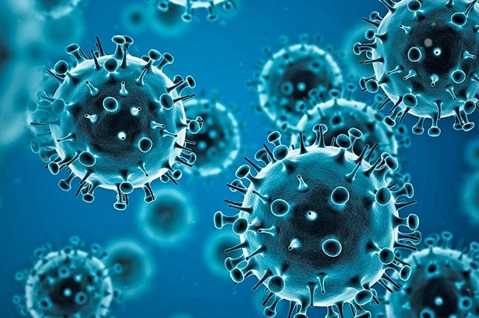
Now that the U.S. Food and Drug Administration has authorized vaccines for COVID-19, and their distribution has begun, Lisa Maragakis, M.D., M.P.H., senior director of infection prevention, and Gabor Kelen, M.D., director of the Johns Hopkins Office of Critical Event Preparedness and Response, review some common myths circulating about the vaccine and clear up confusion with reliable facts. (more…)
Tag: Advice
-
Congratulations – you’re pregnant!
Congratulations– you’re pregnant! Now that you’ve calmed down some from the initial excitement, it’s time to focus on the most important thing: your health and the baby’s health. Savannah Healthcare Services, provides gynecological and obstetric care for women at every stage of life. Dr. Wachira Murage is one of the finest OB/GYNs in Kenya. Here are some tips for having a healthy pregnancy.
1. Choose a qualified OB/GYN.
Choosing an OB/GYN who will help care for you during your pregnancy, labor and delivery is very important. An OB/GYN is a medical doctor who is specially trained to provide medical and surgical care to women. To verify the credentials of an OB/GYN, contact the Kenya Medical Practitioners and Dentist Board. You will be seeing your OB/GYN often over the coming months, so it’s important to find a good match.
2. Schedule a prenatal appointment.
Once you’ve made your decision, help get your pregnancy off to a healthy start by scheduling your first prenatal appointment. Many doctors will schedule your first visit for when you’re about 8 weeks pregnant. Some doctors will see you sooner, especially if you have a health condition, or are having symptoms such as abdominal pain, vaginal bleeding, or nausea and vomiting. Regular appointments with your doctor throughout your pregnancy are important to ensure the health of you and your baby.
3. Get an ultrasound during pregnancy.
Ultrasound is a prenatal test offered to expectant mothers. The test uses sound waves to show a picture of your baby in the uterus. Most women get their first ultrasound in their second trimester at 18-20 weeks of pregnancy. The purpose of the test is to find out how many babies you are carrying, and whether they are developing normally. Your first ultrasound can be very exciting because it gives you the first glimpse of your child.
4. Get the screening tests you need.
Prenatal screening tests are done to determine whether a baby is likely to have specific birth defects. A prenatal screening test can only provide your risk, or probability, that a particular condition exists. Most of these screening tests are noninvasive. These tests are usually performed during the first and second trimesters.
5. Pay attention to your health.
A healthy lifestyle is always important – but when you’re pregnant, it’s that much more vital. So make sure you eat a healthy diet, get plenty of sleep, start taking a prenatal vitamin, get enough folic acid and consider a pregnancy-friendly exercise routine. Also, remember to drink seven to ten glasses of water per day and choose skim milk and real fruit juices instead of sodas.
6. Avoid these pregnancy no-nos.
Some things should be avoided during your pregnancy. These include cigarette smoke, alcohol, certain foods, too much caffeine, recreational drugs, as well as certain behaviors and activities. Talk to your doctor to find out more about what you may need to steer clear of. Don’t take any medications, even OTC medications, unless you have discussed them with your OB/GYN.
Now that you’re pregnant, it’s really important to take steps to achieve your goal—having a healthy baby. Call Savannah Healthcare Services at 0723975300 right now to schedule an appointment. Seeing an OB/GYN is among the best ways you can help protect your child’s health and well-being. Be assured that our staff will provide you with the best care possible as you prepare for one of your life’s most miraculous events- the birth of your child.
-
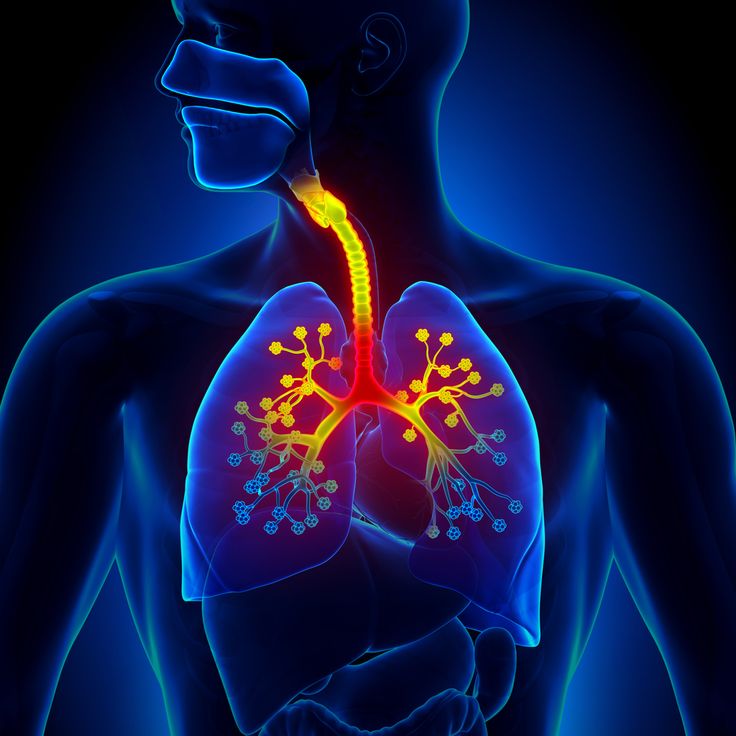
Six common ailments you can avoid during rainy season
The rains are here again. Many drains will be full with stagnant water due to inadequate waste management. Some counties will experience flooding and grasses will grow around homes.
It is the season when contagious diseases are on the rise. These range from viral infections to common diseases. The common diseases associated with the season include malaria, cold flu, cholera, diarrhoea, Hepatitis A, among others.
Unfortunately, children are most vulnerable to these diseases.
These are six most common diseases of the season, and how to avoid them and keep a family healthy.
Malaria
Malaria is a common illness during this season. This is because of the increase in body of water in drains.
The stagnant water, puddles on the street and growth of bushes create enabling environment for mosquitoes to lay their eggs. The female mosquitoes which cause malaria usually breed in water-logged areas.
To prevent incessant treatment of malaria, keep the environment clean always. Throw away garbage. Fix mosquito nets on doors and windows. Keep the drains clean and allow water flow. Cut grasses around the home and always cover stored water with tight lid.
Common cold/ Flu
Common cold can affect anyone at any time of the year. However, the disease gets to the peak during the rainy months.
There is a mild difference between common cold and flu. Flu is mostly bacteria infection which often requires medical treatment. Cold, on the other hand, brings nasal congestion such as scratchy throats, sneezing, running nose among others.
An effective way of keeping common cold at bay is through constant hand washing. Use tissue or disposable napkin instead of handkerchief. Handkerchief kept in the pocket with virus has a way of spreading infection. Always keep warm and wear warm clothes for children. Do not allow them to play in the rain if possible.
Conjunctivitis
This is popularly referred to as Apollo. in Nigeria. This is the irritation or inflammation of the white part of the eyes. It can be caused by allergies or a bacterial or viral infection. Conjunctivitis can be extremely contagious. It spreads by contact with eye secretion from an infected person.
Symptoms include redness, itching and tearing of the eyes. It can lead to discharge or crusting around the eyes. To prevent this, do not share handkerchief, and always wash your hands. It is important to stop wearing contact lenses while affected by the disease.
Cholera
Cholera is a water-borne disease often at its peak during the rainy season. The disease can come from drinking contaminated water or eating contaminated food. Children are mostly affected. The risk of cholera epidemic is highest when poverty, war or natural disasters force people to live in crowded conditions without adequate sanitation.
Cholera is fatal if not treated early. The disease, however, is vaccine preventable. Symptoms includes watery stool and vomiting.
Preventive methods include vaccination, which gives at least six months protection; access to clean water; keeping flies away from homes,; washing hands before and after eating; keeping the toilet clean and closed always; and keeping dustbins away from homes.
Typhoid
Typhoid is a bacterial disease. It is spread by eating or drinking food and water contaminated with the faeces of an infected person. Children are mostly affected.
Symptoms of typhoid include high fever, weakness, stomach pains, headache and loss of appetite. It can be detected through stool test.
It is partly vaccine preventable and requires medical diagnosis.
Sanitation and hygiene are important to prevent typhoid. Other steps to preventing it include providing clean drinking water and regular hand washing.
Until it is confirmed that an individual is healed, it is not advisable for the person to prepare food for others. Wash fruits with clean water.
The risk of death in typhoid is high if not quickly or effectively treated.
Hepatitis A
This is a highly contagious liver infection caused by the hepatitis A virus.
Hepatitis A spreads from contaminated food, water or through human contact with infected person. It is usually spread through feaces of an infected person.
If not quickly detected, the disease can become epidemic especially in overcrowded areas with poor access to water and sanitation.
Many cases have few or no symptoms. especially in the young people. some symptoms of the disease includes nausea, vomiting, jaundice, fever, abdominal pain, loss of appetite.
The disease is vaccine preventable. It can also be prevented through access to good water, sanitation and constant hand washing among others.