
Category: Clinic

  • Prioritizing Maternal and Child Health: A Pathway to Achieving the United Nation’s (UN) Sustainable Development Goals

    Prioritizing Maternal and Child Health: A Pathway to Achieving the United Nation’s (UN) Sustainable Development Goals

    Pregnancy, a time of boundless anticipation and joy, is also a period of profound vulnerability, where the health and well-being of both mother and child hang delicately in the balance. In this pivotal journey, the significance of comprehensive prenatal care cannot be overstated. From routine check-ups to state-of-the-art hospital facilities, every aspect plays a pivotal role in ensuring safe pregnancies and reducing mortality rates for both mother and child. Maternal Mortality remains a key issue affecting women of reproductive age across the African Region. According to World Health Organization’s March 2023 Analytical Fact Sheet, despite the global decline in the maternal mortality ratio (MMR) to 34.2% between 2000 and 2020, MMR is still a disaster in the Africa region. In Kenya, between 2017 and 2020, maternal mortality increased by 55%. With more than two-thirds (69%) of maternal deaths occurring in the African Region, signalling an urgent call for Governments and other Health Actors to focus efforts on SDG Target 3.1 which seeks to prioritize maternal health and reduce the global maternal mortality ratio to less than 70 per 100,000 live births by 2030. Achieving this goal requires concerted efforts at both the local and global levels, with a steadfast commitment to ensuring safe pregnancies and improving access to essential healthcare services for expectant mothers worldwide.


    Central to the realization of SDG Target 3.1 is the promotion of safe pregnancy practices and comprehensive prenatal care. The benefits of safe pregnancy extend far beyond the individual mother and child, encompassing broader societal and economic advantages. By prioritizing regular prenatal checks and screenings, healthcare providers can identify and address potential risk factors and complications early on, significantly reducing the likelihood of adverse outcomes for both mother and baby. From monitoring foetal growth to detecting gestational diabetes and hypertensive disorders, these routine checks play a crucial role in safeguarding maternal and neonatal health.


    Similarly, SDG Target 3.2 aims to end preventable deaths of new-borns and children under five years of age by 2030. This target emphasizes the importance of reducing neonatal and under-five mortality rates through improved access to healthcare services and essential interventions. Research consistently underscores the correlation between comprehensive prenatal care and improved maternal and neonatal health outcomes Investing in good hospital facilities for pregnant mothers and ensuring access to skilled birth attendants can significantly reduce the risk of maternal and neonatal complications during childbirth. Furthermore, the provision of theatre delivery facilities offers a vital contingency plan for emergency situations, reducing the risk of maternal and neonatal complications during childbirth, improving mortality rates for both mother and child.


    Investments in maternal healthcare infrastructure not only improve mortality rates for mothers and children but also yield significant societal benefits. By reducing maternal mortality and morbidity, countries can enhance overall population health, promote economic development, workforce productivity, alleviate poverty, and promote gender equality. Additionally, investing in maternal and child health contributes to the intergenerational cycle of health and well-being, laying the foundation for healthier families and communities for generations to come.


    In line with its commitment to promoting both maternal and child health, The Savannah Hospital recently organized a free fair for pregnant mothers as part of its Corporate Social Responsibility (CSR) initiatives which saw over XXXX pregnant mums & their partners attend. The fair aimed to raise awareness about the importance of prenatal care, provide access to essential healthcare services, and empower expectant mothers with the knowledge and resources needed to ensure a safe and healthy pregnancy. From educational sessions to free health screenings and consultations, the fair served as a testament to The Savannah Hospital’s dedication to improving maternal health outcomes and contributing to the overall achievement of UNSDG 3: GOOD HEALTH AND WELLBEING, and specifically SDG Targets 3.1 and 3.2.


    In conclusion, achieving SDG Targets 3.1 and 3.2 requires a collaborative and comprehensive approach that prioritizes safe pregnancy practices, access to quality healthcare services, and investment in maternal and child health infrastructure. By working together with the National & County Governments, and other Health Actors to promote maternal and child health, we can create a healthier, more equitable world for generations to come.


    The Writer Dr Wachira Murage, is founder and Director of both The Savannah Hospital and CrotonHealth Foundation.
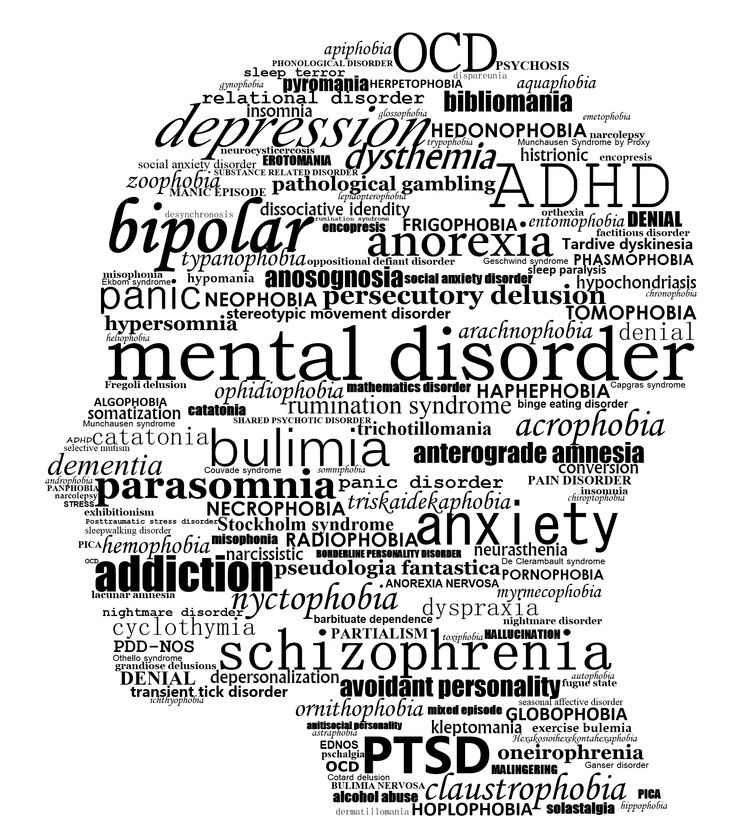
  • Let’s talk about Mental Health

    Mental illness includes a wide range of conditions that affect how we feel and think. Most of these are first experienced in the late teens or early twenties, but may only emerge later in life.

    Like many physical illnesses, mental illnesses are thought to arise from the interaction of genetic vulnerability and stresses in life.

    An example of this vulnerability-stress model is heart disease, caused by the interaction of inherited vulnerability and lifestyle factors such as diet and level of physical activity. It’s not a question of ‘nature or nurture’ therefore, but the interaction of both. The same holds true of mental health problems. All of us have varying degrees of genetic vulnerability to developing mental illnesses, but these may only triggered depending on the degree of stress we experience – ‘stress’ in the widest sense, from possible exposure to viruses in the womb, through to early childhood experience, later drug use, or highly distressing events in relationships or at work. For people who are highly vulnerable, the stress may only need to be slight. For others who are more robust, it may be an extreme, traumatic event which triggers an episode of mental ill health.

    Mental illnesses includes the more common conditions such as Anxiety and Depressive disorders, as well as the far less common but often more severe conditions such as Schizophrenia and other forms of psychotic illness. Many are also affected by psychological conditions, such as Borderline personality disorder, for example.

    Mental illnesses vary in how long they affect people: sometimes a single episode, sometimes a lifelong condition.

    Mental illnesses vary in severity: sometimes transitory, sometimes causing psycho-social disability requiring long-term support.

    Thankfully, there are effective treatments and support which help most people affected to manage or even eliminate symptoms. These are not always easy to access however, especially for people living in regional and rural areas. Everyone affected, no matter to what degree, can be helped to recover as well as they can and lead a fulfilling life.

    What helps?

    Treatments for mental illness are generally very effective, when people receive optimal treatment.

    Unfortunately, not enough people receive this optimal, ‘best possible’ service because of a range of issues: under-resourced mental health services, difficulties in access, the challenge of providing services in rural and remote areas, and the high numbers of people not receiving treatment, as well as those who choose not to receive treatment because of their symptoms.

    Psychological treatments

    Many people affected by mental illnesses, especially Anxiety disorders, Depression and Borderline personality disorder, are helped by various form of psychotherapy – psychological, ‘talking’ treatments. These treatments help by giving an opportunity to talk about thoughts and feelings with a suitably-qualified therapist in order to understand why we think and feel in this way, and to adapt these in more helpful, positive, and less distressing ways.

    Medications

    For people affected by certain conditions (such as Schizophrenia, Bipolar disorder, and severe forms of Depression, for example), medication can be an important – even essential – part of treatment. It is important that the particular medication and dose is well-suited to help the person most effectively, and that side-effects are monitored and minimized.

    Support in the community

    For some people, severe, ongoing symptoms can cause psycho-social disability, affecting their ability to function independently in the community. Support services help the person to recover this ability as well as they can through assistance with rehabilitation, accommodation, and promoting access to education and employment.

    Staying mentally healthy

    Good mental health is as important as good physical health. It’s no surprise that both are helped by a healthy lifestyle – ensuring we get enough sleep and eat healthily; trying to keep stress to a reasonable level, and relaxing regularly, especially through physical exercise; keeping alcohol consumption to recommended safe limits, and – very importantly – staying in touch with family and friends.

  • Causes of mental illness

    Causes of mental illness

    Researchers are still trying to understand what causes mental illness. There is no one cause — it can happen due to a mix of factors including genetics, how your brain works, how you grew up, your environment, your social group, your culture and life experience.

    Causes of mental illness:

    • Genetic factors: having a close family member with a mental illness can increase the risk. However, just because one family member has a mental illness doesn’t mean that others will.
    • Drug and alcohol abuse: illicit drug use can trigger a manic episode (bipolar disorder) or an episode of psychosis. Drugs such as cocaine, marijuana and amphetamines can cause paranoia.
    • Other biological factors: some medical conditions or hormonal changes.
    • Early life environment: negative childhood experiences such as abuse or neglect can increase the risk of some mental illnesses.
    • Trauma and stress: in adulthood, traumatic life events or ongoing stress such as social isolation, domestic violence, relationship breakdown, financial or work problems can increase the risk of mental illness.
    • Traumatic experiences such as living in a war zone can increase the risk of post-traumatic stress disorder (PTSD).
    • Personality factors: some traits such as perfectionism or low self-esteem can increase the risk of depression or anxiety.

    The human brain is extremely complicated. Some research suggests that mental health problems may be linked to a variation in certain brain chemicals (such as serotonin and dopamine), but no one really understands how or why. Arguments that someone’s brain chemistry is the cause of mental health problems are very weak.

    But even though there’s no strong evidence to say that any mental health problems are caused by a chemical imbalance in our brains, you might find some people still use brain chemistry to explain them.

    Reasons for this might include:

    Some psychiatric medications work by acting on chemicals in the brain, and there’s lots of evidence to show that medication can be effective in treating some symptoms of mental health problems (although drugs don’t work the same way for everyone).

    Mental health problems can feel very personal and be hard to understand, so the idea that there could be a distinct physical cause for difficult thoughts, feelings and behaviours might make it feel easier to talk openly about your experiences and ask for help.

    It’s important to remember that just because we may not know exactly what causes someone to experience a mental health problem, this doesn’t mean that it is any less serious than any other illness, any less deserving of recognition and treatment, or any easier to recover from.

  • Physiotherapy – Things you must know!

    Many of us who haven’t experienced physiotherapy first hand, or simply don’t know a lot about it or what it involves, may be surprised at the complexities of physiotherapy and the range of treatments it covers. Some may assume it is a few stretches and exercises for those who have injured their muscles through sports – but it is so much more than that!

    Here’s the thing: Physiotherapists are highly trained health professionals who provide treatment for people suffering from physical problems arising from injury, disease, illness and ageing. Their aim is to improve a person’s quality of life by using a variety of treatments to alleviate pain and restore function or, in the case of permanent injury or disease, to lessen the effects of any dysfunction.

    What does Physiotherapy Treat?

    As well as being used to prevent injuries in the future, typically, physiotherapy is used to treat the following:

    • Bones, muscles and joints, such as sports injuries, or back, neck and shoulder pain
    • The heart and circulation, such as rehab following a heart attack
    • The brain and nervous system, such as problems following a stroke or related to MS
    • The lungs and respiratory system, such as problems leading from cystic fibrosis

    In addition to this, there are facts about physiotherapy that you may not be aware of…

    Professional physiotherapy was first established at the end of World War I in Canada, in order to treat the thousands of injured soldiers. Many required help restoring mobility and functions due to their war injuries, and physiotherapy was the most popular treatment for soldiers during this time.

    The role of a physiotherapist is extremely varied with no two days being the same. He/she may have to assess the physical condition of a patient in order to diagnose problems and implement a treatment plan, or alternatively they could also be re-training patients to walk, or helping others to cope with crutches, walking frames, or wheelchairs. He/she will also be responsible for educating their patients and their families, (as well as the community at large) to prevent injuries and to help those people lead healthy lifestyles.

    In some instances the physiotherapist may be asked to plan and put in place community fitness programmes.

    Our physiotherapist, Reuben Omwoyo offers variety of different types of physiotherapy, such as neurologic rehabilitation, cardiovascular and pulmonary rehabilitation, wound care, orthopaedic care, and post-operative care – to name but a few!

    Physiotherapy can be a treatment you are assigned through a referral by your doctor, as well as simply booking an appointment directly with a physiotherapist to discuss a problem you have been experiencing. Many people book a session with a physio instead of their GP to chat about an issue they have, and to decide if physiotherapy would be a beneficial option.