
Author: admin

  • 7 tips for successful weight loss

    7 tips for successful weight loss

    Being overweight or obese can lead to a range of health problems. Although many different “fad” diets are available, a balanced lifestyle and nutritious diet are the key to healthful living and better weight control. Carrying excess body weight can increase the risk of serious health problems, including heart disease, hypertension, and type 2 diabetes.

    Crash diets are not a sustainable solution, whatever perks their proponents might claim them to have. To both lose weight safely and sustain that weight loss over time, it is essential to make gradual, permanent, and beneficial lifestyle changes.

    People can lose weight and maintain this loss by taking several achievable steps. These include the following:

    1. Eat varied, colorful, nutritionally dense foods

    Eat a varied, nutritious diet. Healthful meals and snacks should form the foundation of the human diet. A simple way to create a meal plan is to make sure that each meal consists of 50 percent fruit and vegetables, 25 percent whole grains, and 25 percent protein. Total fiber intake should be 25–30 grams (g) daily.

    Eliminate trans fats from the diet, and minimize the intake of saturated fats, which has a strong link with the incidence of coronary heart disease.

    Instead, people can consume monounsaturated fatty acids (MUFA) or polyunsaturated fatty acids (PUFA), which are types of unsaturated fat.

    2. Keep a food and weight diary

    Self-monitoring is a critical factor in successfully losing weight. People can use a paper diary, mobile app, or dedicated website to record every item of food that they consume each day. They can also measure their progress by recording their weight on a weekly basis.

    Those who can track their success in small increments and identify physical changes are much more likely to stick to a weight loss regimen.

    People can also keep track of their body mass index (BMI) using a BMI calculator.

    3. Engage in regular physical activity and exercise

    Regular physical activity can help a person lose weight. Regular exercise is vital for both physical and mental health. Increasing the frequency of physical activity in a disciplined and purposeful way is often crucial for successful weight loss.

    One hour of moderate-intensity activity per day, such as brisk walking, is ideal. If one hour per day is not possible, the Mayo Clinic suggests that a person should aim for a minimum of 150 minutes every week.

    People who are not usually physically active should slowly increase the amount of exercise that they do and gradually increase its intensity. This approach is the most sustainable way to ensure that regular exercise becomes a part of their lifestyle.

    In the same way that recording meals can psychologically help with weight loss, people may also benefit from keeping track of their physical activity. Many free mobile apps are available that track a person’s calorie balance after they log their food intake and exercise.

    If the thought of a full workout seems intimidating to someone who is new to exercise, they can begin by doing the following activities to increase their exercise levels:

    • taking the stairs
    • raking leaves
    • walking a dog
    • gardening
    • dancing
    • playing outdoor games
    • parking farther away from a building entrance
    • Individuals who have a low risk of coronary heart disease are unlikely to require medical assessment ahead of starting an exercise regimen.

    However, prior medical evaluation may be advisable for some people, including those with diabetes. Anyone who is unsure about safe levels of exercise should speak to a healthcare professional.

    4. Eliminate liquid calories

    It is possible to consume hundreds of calories a day by drinking sugar-sweetened soda, tea, juice, or alcohol. These are known as “empty calories” because they provide extra energy content without offering any nutritional benefits.

    Unless a person is consuming a smoothie to replace a meal, they should aim to stick to water or unsweetened tea and coffee. Adding a splash of fresh lemon or orange to water can provide flavor.

    Avoid mistaking dehydration for hunger. An individual can often satisfy feelings of hunger between scheduled meal times with a drink of water.

    5. Measure servings and control portions

    Eating too much of any food, even low-calorie vegetables, can result in weight gain.

    Therefore, people should avoid estimating a serving size or eating food directly from the packet. It is better to use measuring cups and serving size guides. Guessing leads to overestimating and the likelihood of eating a larger-than-necessary portion.

    6. Eat mindfully

    Many people benefit from mindful eating, which involves being fully aware of why, how, when, where, and what they eat.

    Making more healthful food choices is a direct outcome of becoming more in tune with the body.

    People who practice mindful eating also try to eat more slowly and savor their food, concentrating on the taste. Making a meal last for 20 minutes allows the body to register all of the signals for satiety.

    It is important to focus on being satisfied after a meal rather than full and to bear in mind that many “all natural” or low-fat foods are not necessarily a healthful choice.

    People can also consider the following questions regarding their meal choice:

    • Is it good “value” for the calorie cost?
    • Will it provide satiety?
    • Are the ingredients healthful?
    • If it has a label, how much fat and sodium does it contain?

    7. Stimulus and cue control

    Many social and environmental cues might encourage unnecessary eating. For example, some people are more likely to overeat while watching television. Others have trouble passing a bowl of candy to someone else without taking a piece.

    By being aware of what may trigger the desire to snack on empty calories, people can think of ways to adjust their routine to limit these triggers.
  • Six common ailments you can avoid during rainy season

    Six common ailments you can avoid during rainy season

    The rains are here again. Many drains will be full with stagnant water due to inadequate waste management. Some counties will experience flooding and grasses will grow around homes.

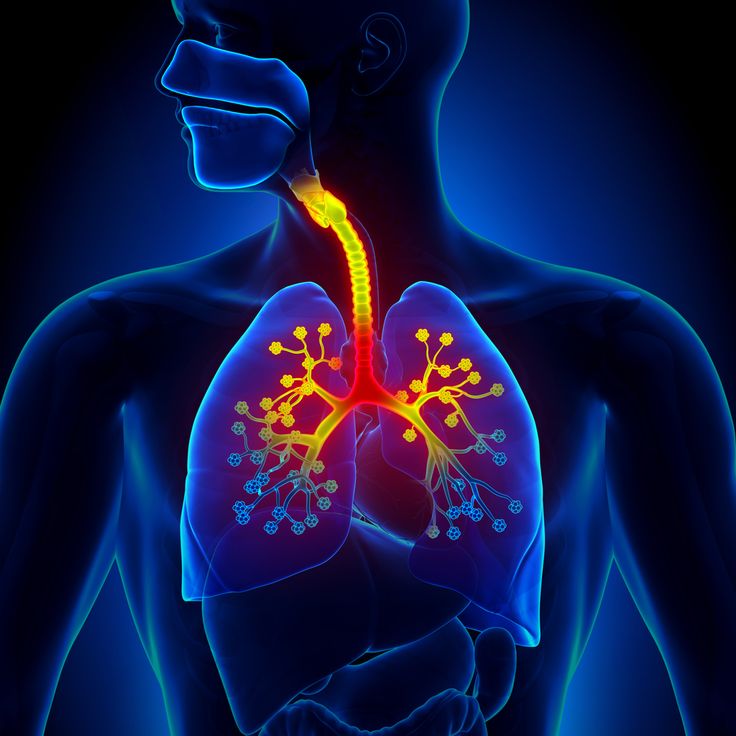
    It is the season when contagious diseases are on the rise. These range from viral infections to common diseases. The common diseases associated with the season include malaria, cold flu, cholera, diarrhoea, Hepatitis A, among others.

    Unfortunately, children are most vulnerable to these diseases.

    These are six most common diseases of the season, and how to avoid them and keep a family healthy.

    Malaria

    Malaria is a common illness during this season. This is because of the increase in body of water in drains.

    The stagnant water, puddles on the street and growth of bushes create enabling environment for mosquitoes to lay their eggs. The female mosquitoes which cause malaria usually breed in water-logged areas.

    To prevent incessant treatment of malaria, keep the environment clean always. Throw away garbage. Fix mosquito nets on doors and windows. Keep the drains clean and allow water flow. Cut grasses around the home and always cover stored water with tight lid.

    Common cold/ Flu

    Common cold can affect anyone at any time of the year. However, the disease gets to the peak during the rainy months.

    There is a mild difference between common cold and flu. Flu is mostly bacteria infection which often requires medical treatment. Cold, on the other hand, brings nasal congestion such as scratchy throats, sneezing, running nose among others.

    An effective way of keeping common cold at bay is through constant hand washing. Use tissue or disposable napkin instead of handkerchief. Handkerchief kept in the pocket with virus has a way of spreading infection. Always keep warm and wear warm clothes for children. Do not allow them to play in the rain if possible.

    Conjunctivitis

    This is popularly referred to as Apollo. in Nigeria. This is the irritation or inflammation of the white part of the eyes. It can be caused by allergies or a bacterial or viral infection. Conjunctivitis can be extremely contagious. It spreads by contact with eye secretion from an infected person.

    Symptoms include redness, itching and tearing of the eyes. It can lead to discharge or crusting around the eyes. To prevent this, do not share handkerchief, and always wash your hands. It is important to stop wearing contact lenses while affected by the disease.

    Cholera

    Cholera is a water-borne disease often at its peak during the rainy season. The disease can come from drinking contaminated water or eating contaminated food. Children are mostly affected. The risk of cholera epidemic is highest when poverty, war or natural disasters force people to live in crowded conditions without adequate sanitation.

    Cholera is fatal if not treated early. The disease, however, is vaccine preventable. Symptoms includes watery stool and vomiting.

    Preventive methods include vaccination, which gives at least six months protection; access to clean water; keeping flies away from homes,; washing hands before and after eating; keeping the toilet clean and closed always; and keeping dustbins away from homes.

    Typhoid

    Typhoid is a bacterial disease. It is spread by eating or drinking food and water contaminated with the faeces of an infected person. Children are mostly affected.

    Symptoms of typhoid include high fever, weakness, stomach pains, headache and loss of appetite. It can be detected through stool test.

    It is partly vaccine preventable and requires medical diagnosis.

    Sanitation and hygiene are important to prevent typhoid. Other steps to preventing it include providing clean drinking water and regular hand washing.

    Until it is confirmed that an individual is healed, it is not advisable for the person to prepare food for others. Wash fruits with clean water.

    The risk of death in typhoid is high if not quickly or effectively treated.

    Hepatitis A

    This is a highly contagious liver infection caused by the hepatitis A virus.

    Hepatitis A spreads from contaminated food, water or through human contact with infected person. It is usually spread through feaces of an infected person.

    If not quickly detected, the disease can become epidemic especially in overcrowded areas with poor access to water and sanitation.

    Many cases have few or no symptoms. especially in the young people. some symptoms of the disease includes nausea, vomiting, jaundice, fever, abdominal pain, loss of appetite.

    The disease is vaccine preventable. It can also be prevented through access to good water, sanitation and constant hand washing among others.

  • Are you thirsty all the time? Here are 5 possible causes

    Do you have days when you just feel thirsty all day? It might simply mean that you should be drinking a little more. But do you drink enough and feel like this can’t be the cause? Then it might indicate one of these five underlying causes.

    What feeling thirsty all the time could mean

    1. Insufficient hydration

    The most obvious reason for extreme thirst is that you’re not sufficiently hydrated. How much water you should drink exactly is difficult to say since this is different for everyone. Do you live somewhere with a hot climate or do you exercise a lot? Then you should obviously drink more. A good test is to take a look at your urine. The lighter the color, the better.

    2. Diet

    Your diet can also influence how thirsty you are during the day. For example, we know that the keto diet can have excessive thirst as a side effect. In this diet, carbohydrates are replaced by fat. This means that you eat a lot of creamy things like mayonnaise, cheese and whipped cream and you avoid rice, pasta and potatoes.

    3. Thyroid problems

    Symptoms of an overactive thyroid gland can differ per person. There’s no reason to panic when you’re experiencing excessive thirst and you have thyroid issues, but do try to keep an eye on the following other symptoms: weight loss, shaking hands, fatigue, anxiety attacks and feeling lightheaded. If you’re experiencing multiple of these symptoms in combination with excessive thirst, you might want to make an appointment with your doctor.

    4. Diabetes

    A common symptom of diabetes (both type 1 and 2) is feeling thirsty all the time and having to pee a lot. This has to do with the fact that your kidneys don’t work as well because they’re unable to hold back all of the glucose and your blood sugar levels are much too high. Glucose absorbs moisture and that’s why your kidneys will let through more moisture than usual. This results in more thirst and more frequent visits to the toilet.

    5. Medication

    There are a lot of medicines out there that have excessive thirst as one of their possible side effects. Examples of these are anti-allergy medicines, anti-depressants, and medicines against high blood pressure.

  • Let’s talk about Mental Health

    Mental illness includes a wide range of conditions that affect how we feel and think. Most of these are first experienced in the late teens or early twenties, but may only emerge later in life.

    Like many physical illnesses, mental illnesses are thought to arise from the interaction of genetic vulnerability and stresses in life.

    An example of this vulnerability-stress model is heart disease, caused by the interaction of inherited vulnerability and lifestyle factors such as diet and level of physical activity. It’s not a question of ‘nature or nurture’ therefore, but the interaction of both. The same holds true of mental health problems. All of us have varying degrees of genetic vulnerability to developing mental illnesses, but these may only triggered depending on the degree of stress we experience – ‘stress’ in the widest sense, from possible exposure to viruses in the womb, through to early childhood experience, later drug use, or highly distressing events in relationships or at work. For people who are highly vulnerable, the stress may only need to be slight. For others who are more robust, it may be an extreme, traumatic event which triggers an episode of mental ill health.

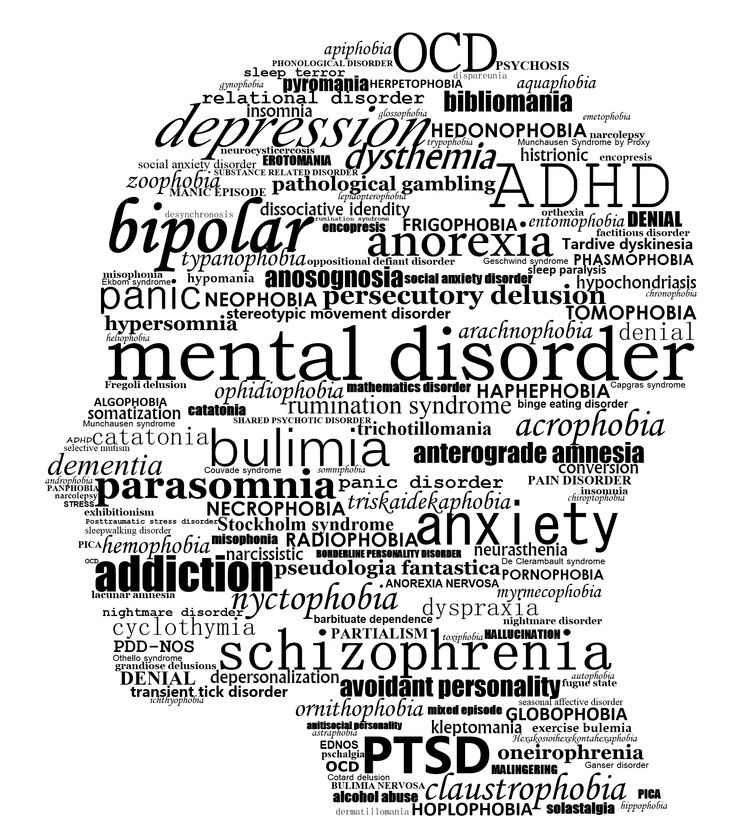
    Mental illnesses includes the more common conditions such as Anxiety and Depressive disorders, as well as the far less common but often more severe conditions such as Schizophrenia and other forms of psychotic illness. Many are also affected by psychological conditions, such as Borderline personality disorder, for example.

    Mental illnesses vary in how long they affect people: sometimes a single episode, sometimes a lifelong condition.

    Mental illnesses vary in severity: sometimes transitory, sometimes causing psycho-social disability requiring long-term support.

    Thankfully, there are effective treatments and support which help most people affected to manage or even eliminate symptoms. These are not always easy to access however, especially for people living in regional and rural areas. Everyone affected, no matter to what degree, can be helped to recover as well as they can and lead a fulfilling life.

    What helps?

    Treatments for mental illness are generally very effective, when people receive optimal treatment.

    Unfortunately, not enough people receive this optimal, ‘best possible’ service because of a range of issues: under-resourced mental health services, difficulties in access, the challenge of providing services in rural and remote areas, and the high numbers of people not receiving treatment, as well as those who choose not to receive treatment because of their symptoms.

    Psychological treatments

    Many people affected by mental illnesses, especially Anxiety disorders, Depression and Borderline personality disorder, are helped by various form of psychotherapy – psychological, ‘talking’ treatments. These treatments help by giving an opportunity to talk about thoughts and feelings with a suitably-qualified therapist in order to understand why we think and feel in this way, and to adapt these in more helpful, positive, and less distressing ways.

    Medications

    For people affected by certain conditions (such as Schizophrenia, Bipolar disorder, and severe forms of Depression, for example), medication can be an important – even essential – part of treatment. It is important that the particular medication and dose is well-suited to help the person most effectively, and that side-effects are monitored and minimized.

    Support in the community

    For some people, severe, ongoing symptoms can cause psycho-social disability, affecting their ability to function independently in the community. Support services help the person to recover this ability as well as they can through assistance with rehabilitation, accommodation, and promoting access to education and employment.

    Staying mentally healthy

    Good mental health is as important as good physical health. It’s no surprise that both are helped by a healthy lifestyle – ensuring we get enough sleep and eat healthily; trying to keep stress to a reasonable level, and relaxing regularly, especially through physical exercise; keeping alcohol consumption to recommended safe limits, and – very importantly – staying in touch with family and friends.

  • Causes of mental illness

    Causes of mental illness

    Researchers are still trying to understand what causes mental illness. There is no one cause — it can happen due to a mix of factors including genetics, how your brain works, how you grew up, your environment, your social group, your culture and life experience.

    Causes of mental illness:

    • Genetic factors: having a close family member with a mental illness can increase the risk. However, just because one family member has a mental illness doesn’t mean that others will.
    • Drug and alcohol abuse: illicit drug use can trigger a manic episode (bipolar disorder) or an episode of psychosis. Drugs such as cocaine, marijuana and amphetamines can cause paranoia.
    • Other biological factors: some medical conditions or hormonal changes.
    • Early life environment: negative childhood experiences such as abuse or neglect can increase the risk of some mental illnesses.
    • Trauma and stress: in adulthood, traumatic life events or ongoing stress such as social isolation, domestic violence, relationship breakdown, financial or work problems can increase the risk of mental illness.
    • Traumatic experiences such as living in a war zone can increase the risk of post-traumatic stress disorder (PTSD).
    • Personality factors: some traits such as perfectionism or low self-esteem can increase the risk of depression or anxiety.

    The human brain is extremely complicated. Some research suggests that mental health problems may be linked to a variation in certain brain chemicals (such as serotonin and dopamine), but no one really understands how or why. Arguments that someone’s brain chemistry is the cause of mental health problems are very weak.

    But even though there’s no strong evidence to say that any mental health problems are caused by a chemical imbalance in our brains, you might find some people still use brain chemistry to explain them.

    Reasons for this might include:

    Some psychiatric medications work by acting on chemicals in the brain, and there’s lots of evidence to show that medication can be effective in treating some symptoms of mental health problems (although drugs don’t work the same way for everyone).

    Mental health problems can feel very personal and be hard to understand, so the idea that there could be a distinct physical cause for difficult thoughts, feelings and behaviours might make it feel easier to talk openly about your experiences and ask for help.

    It’s important to remember that just because we may not know exactly what causes someone to experience a mental health problem, this doesn’t mean that it is any less serious than any other illness, any less deserving of recognition and treatment, or any easier to recover from.

  • Physiotherapy – Things you must know!

    Many of us who haven’t experienced physiotherapy first hand, or simply don’t know a lot about it or what it involves, may be surprised at the complexities of physiotherapy and the range of treatments it covers. Some may assume it is a few stretches and exercises for those who have injured their muscles through sports – but it is so much more than that!

    Here’s the thing: Physiotherapists are highly trained health professionals who provide treatment for people suffering from physical problems arising from injury, disease, illness and ageing. Their aim is to improve a person’s quality of life by using a variety of treatments to alleviate pain and restore function or, in the case of permanent injury or disease, to lessen the effects of any dysfunction.

    What does Physiotherapy Treat?

    As well as being used to prevent injuries in the future, typically, physiotherapy is used to treat the following:

    • Bones, muscles and joints, such as sports injuries, or back, neck and shoulder pain
    • The heart and circulation, such as rehab following a heart attack
    • The brain and nervous system, such as problems following a stroke or related to MS
    • The lungs and respiratory system, such as problems leading from cystic fibrosis

    In addition to this, there are facts about physiotherapy that you may not be aware of…

    Professional physiotherapy was first established at the end of World War I in Canada, in order to treat the thousands of injured soldiers. Many required help restoring mobility and functions due to their war injuries, and physiotherapy was the most popular treatment for soldiers during this time.

    The role of a physiotherapist is extremely varied with no two days being the same. He/she may have to assess the physical condition of a patient in order to diagnose problems and implement a treatment plan, or alternatively they could also be re-training patients to walk, or helping others to cope with crutches, walking frames, or wheelchairs. He/she will also be responsible for educating their patients and their families, (as well as the community at large) to prevent injuries and to help those people lead healthy lifestyles.

    In some instances the physiotherapist may be asked to plan and put in place community fitness programmes.

    Our physiotherapist, Reuben Omwoyo offers variety of different types of physiotherapy, such as neurologic rehabilitation, cardiovascular and pulmonary rehabilitation, wound care, orthopaedic care, and post-operative care – to name but a few!

    Physiotherapy can be a treatment you are assigned through a referral by your doctor, as well as simply booking an appointment directly with a physiotherapist to discuss a problem you have been experiencing. Many people book a session with a physio instead of their GP to chat about an issue they have, and to decide if physiotherapy would be a beneficial option.