Author: admin

  • Dental Services in Nairobi CBD

    Dental Services in Nairobi CBD

    Affordable Dental Services in Nairobi CBD | Savannah Hospital

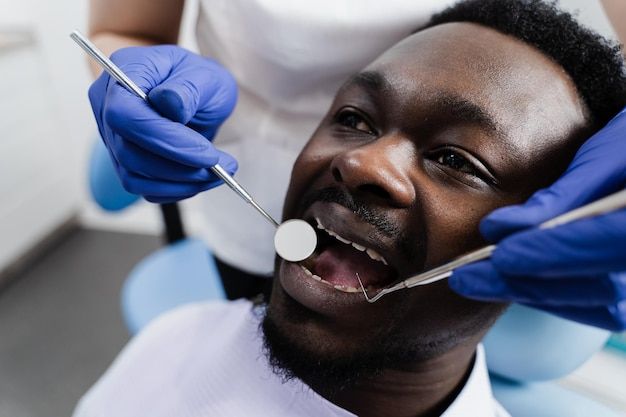
    Savannah Hospital is excited to introduce comprehensive dental services in Nairobi CBD at our CBD Branch Clinic. This new service is designed to bring quality oral healthcare closer to you — whether you work, live, or study in the city center.

    Leading the dental unit is Dr. Kevin, a skilled and caring dentist who is passionate about helping patients achieve and maintain healthy smiles. With expertise in general dentistry, cosmetic treatments, and restorative care, Dr. Kevin ensures that patients of all ages receive professional and personalized dental services.

    Why Oral Health Matters

    A healthy smile is more than just appearance, it is directly linked to overall well-being. Poor oral hygiene can increase risks of gum disease, infections, and even conditions such as diabetes and heart disease. Regular dental visits not only help prevent problems but also build confidence through a brighter, healthier smile.

    At Savannah Hospital, we believe that oral health is a vital part of total healthcare. That’s why our Nairobi CBD dental clinic is dedicated to making dental care accessible, affordable, and professional.

    Our Dental Services in Nairobi CBD

    Patients visiting our CBD branch can access a wide range of treatments, including:

    General Dentistry

    • Dental check-ups and oral exams

    • Tooth fillings and extractions

    • Preventive care such as scaling and polishing

    Cosmetic Dentistry

    • Teeth whitening for a brighter smile

    • Veneers and smile enhancement treatments

    Restorative Dentistry

    • Dental crowns and bridges

    • Implants and dentures for missing teeth

    Periodontal (Gum) Care

    • Diagnosis and treatment of gum disease

    • Professional cleaning and oral hygiene advice

    Pediatric Dentistry

    • Child-friendly dental care

    • Preventive treatments and early orthodontic guidance


    Why Choose Savannah Hospital Dental Clinic?

    • Convenient Location – Easily accessible in Nairobi CBD

    • Experienced Dentist – Led by Dr. Kevin, with years of dental expertise

    • Comprehensive Care – Preventive, cosmetic, and restorative treatments in one place

    • Patient-Centered Approach – Comfort, safety, and personalized care at every stage

    Frequently Asked Questions (FAQs)

    1. How often should I visit the dentist?
    At least twice a year for preventive check-ups, unless advised otherwise.

    2. Do you offer emergency dental care?
    Yes. Patients with urgent dental issues such as severe pain or broken teeth can receive immediate attention.

    3. Are dental services affordable at Savannah Hospital?
    Yes. We are committed to providing affordable dental services in Nairobi CBD without compromising on quality.

    Book Your Dental Appointment Today

    Don’t wait until pain becomes unbearable, take charge of your oral health now. Call +254 740 141 414, visit OUR WEBSITE, or walk into Savannah Hospital CBD Branch to book your appointment with Dr. Kevin today.

    At Savannah Hospital, we believe a healthy smile builds confidence and strengthens overall wellness.

  • Navigating the Heartbreak: Miscarriage Agony and its Forms

    Navigating the Heartbreak: Miscarriage Agony and its Forms

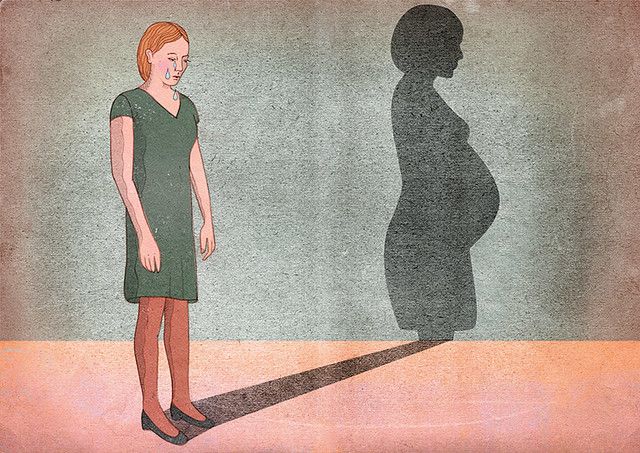
    When the dream of holding a little one slips away too soon, the silence behind can be louder than words. Miscarriage is not just a medical term; it is a heartbreak that touches millions of women and families around the world. The loss of a pregnancy before the 20th week, known as a miscarriage, is a far more common experience than often discussed, affecting an estimated 1 in 4 recognised pregnancies. This medical event is not a single entity but occurs in several forms, each with distinct characteristics. These forms include threatened miscarriage, incomplete and missed miscarriage.

    Some studies have shown that a significant number of women may meet the criteria for post-traumatic stress disorder after a miscarriage. 

    Types of Miscarriage

    A threatened miscarriage involves symptoms like vaginal bleeding, with the cervix remaining closed, and the pregnancy may still continue. An inevitable or incomplete miscarriage involves significant bleeding and cramping, where the cervix has now opened and some, but not all, pregnancy tissue has passed. Finally, a missed miscarriage is a particularly poignant type where the embryo has stopped developing. The body may still not have recognised the loss, which is often discovered during a routine ultrasound without symptoms.

    What Causes a Miscarriage?

    Among the miscarriages that occur in the first trimester, about half result from a chromosomal abnormality. These genetic abnormalities prevent the embryo from developing properly. In these cases, the miscarriage doesn’t happen because you did anything “wrong”—it was simply the result of an abnormality.

    In the second trimester, chromosomal and structural abnormalities of the fetus can contribute to miscarriage. But at this stage, a miscarriage is more commonly associated with other problems, such as malformation of the uterus, the development of growths in the uterus (called fibroids), uterine infection, and certain medical conditions.

    Other factors that can cause or contribute to miscarriage include:

    • Significant radiation exposure
    • Bacterial infections that can inflame the lining of the uterus
    • Certain chronic medical conditions, like unmanaged diabetes and thyroid problems
    • Excessive drug or alcohol use
    • Hormone problems
    • Immune system disorders, including lupus
    • Older parental age (chromosomal abnormalities are more likely to occur in the eggs and sperm of people over 35)
    • Smoking

    While not all miscarriages can be prevented, proactive steps can significantly optimise health for a future pregnancy. The foundation of this is preconception care, which involves consulting a gynaecologist before trying to conceive. This allows for managing chronic conditions, reviewing medications, and starting essential supplements (most critically high-dose folic acid) as early as possible to support fetal development from the very first moments. Once pregnant, diligent antenatal care is crucial. Attending all scheduled visits allows for early detection and management of potential issues, providing the best possible chance for a healthy, full-term pregnancy.

    Management of miscarriages

    Following a diagnosis, a gynaecologist will discuss management options tailored to the specific type of miscarriage and the patient’s health. There are 3 primary approaches to management. These include expectant management, medical, and surgical management.

    Management Options for Miscarriage: Expectant, Medical, and Surgical

    Expectant management involves allowing the body to pass the tissue naturally over time. This method can be successful but can take some time to complete and involves experiences like heavy bleeding and strong cramps. Medical management, on the other hand, utilizes medications such as misoprostol to induce contractions and expel the tissue. Mifepristone helps block the hormone needed to maintain pregnancy. Surgical management, also known as Manual Vacuum Aspiration (MVA) or Dilation and Curettage (D&C), is a minimally invasive procedure to gently remove any remaining tissue from the uterus. The choice depends on factors such as gestational age, the amount of bleeding, and the patient’s emotional and physical preferences, with the core goal being a complete and safe resolution to prevent infection.

    Emotional Impact of Miscarriage

    The emotional toll of a miscarriage is profound and unique to each individual and family. For the woman, it is a devastating physical and psychological event, often accompanied by feelings of profound grief, guilt, and a sense of failure. The loss is not just of a pregnancy, but of the dreams, hopes, and future envisioned for that child. Partners also grieve deeply, and the experience can place significant strain on a relationship as each person may process the grief differently. This collective sorrow is frequently compounded by a culture of silence, leaving many to suffer in isolation, unsure how to articulate their pain or seek support.

    Offer simple, heartfelt words of sympathy and validate their pain rather than using dismissive phrases. 


    Miscarriage Prevention

    In the painful aftermath of a loss, consulting a gynaecologist is also a critical step toward understanding the cause and helping to prevent recurrence. A healthcare provider can ensure that the miscarriage is managed completely and safely. Furthermore, they can order tests to investigate potential underlying causes, such as uterine abnormalities, autoimmune disorders, untreated infection, trauma, or genetic factors. While many miscarriages are caused by chromosomal abnormalities that are random and unlikely to repeat, identifying a treatable issue can provide a clear pathway to a healthier future pregnancy. This proactive medical partnership offers not just clinical care but immense hope and emotional reassurance to grieving parents, transforming a sense of helplessness into empowered action for the future.


    Ultimately, miscarriage is not a reflection of a woman’s worth or ability to carry a child. It is a deeply human experience that deserves compassion, understanding, and acknowledgment. By shedding light on it, we honor the silent grief many carry and remind them they are not alone.

  • The Fibroid Fight: The Hidden Burden Many Women Carry.

    The Fibroid Fight: The Hidden Burden Many Women Carry.

    Uterine fibroids are among the most common gynecological conditions affecting women globally. These non-cancerous growths develop in or on the walls of the uterus and vary widely in size and number. For many, the first signs appear subtly with heavy menstrual bleeding, persistent pelvic pain, and frequent urination. Over time, these symptoms can spiral, disrupting daily life, intimacy, fertility, and emotional well-being.


    What Are Fibroids?

    Uterine fibroids — also known as leiomyomas — are among the most common gynecological conditions worldwide. These non-cancerous growths form in or around the uterus and vary widely in size, number, and location. While some fibroids are as small as a pea, others can grow as large as a watermelon. Many women may develop a single fibroid, while others experience multiple.

    Fibroids typically occur between the ages of 15 to 49, fueled by estrogen. There are several types based on their position:

    • Intramural: Within the muscular wall of the uterus
    • Submucosal: Beneath the uterine lining, protruding into the cavity
    • Subserosal: On the outer wall of the uterus
    • Pedunculated: Attached by a thin stalk inside or outside the uterus

    Different types of Fibroids

    A diagram showing different types of fibroids and their location.

    What Causes Fibroids?

    The exact cause remains unclear, but several contributing factors have been identified:

    • Genetics: A family history increases your risk significantly.
    • Parity: Women who have never been pregnant (nulliparous) face a higher risk due to sustained estrogen exposure. In contrast, multiple pregnancies may offer protective hormonal effects.
    • Obesity: Increased fat tissue raises estrogen levels, encouraging fibroid growth.
    • Smoking: Although not a direct cause, smoking may complicate fibroid treatment by affecting healing and circulation.

    Common Symptoms of Fibroids

    Some women may show no symptoms at all. However, fibroids can cause disruptive and progressive signs, including:

    1. Heavy or prolonged menstrual bleeding (Menorrhagia): Due to impaired uterine contractions.
    2. Pelvic pain or pressure (Dysmenorrhea): Caused by fibroid pressure on nearby organs.
    3. Frequent urination: Frequent urination can be a symptom of uterine fibroids, particularly when they grow large enough to press on the bladder.
    4. Cosmetic and anatomical changes: Enlargement or distortion of the uterus may lead to visible bulging.
    5. Infertility and miscarriage: Especially when fibroids interfere with implantation or pregnancy continuity.

    How Are Fibroids Diagnosed?

    Diagnosis typically begins with a detailed medical history and physical exam, where your gynecologist will explore:

    • Menstrual cycle patterns.
    • Pain location and severity.
    • Signs of anemia.
    • Uterine enlargement or tenderness.

    Pelvic examination, pap smear, and abdominal inspection follow. Imaging tests such as ultrasound and MRI confirm the fibroids’ type, size, and location, guiding the treatment strategy.


    How Are Fibroids Managed?

    Management of fibroids highly depends on the lady, their age, and their fertility goals will now determine what procedures will be undertaken.
    Options of Treatment

    Conservative approach. This focuses on managing symptoms and preventing the need for surgery, rather than directly removing the fibroids. This approach includes watchful waiting and medications. It’s a safe option for many women, especially those approaching menopause, as fibroids often shrink during and after menopause.

    Medical approach. It focuses on managing symptoms and, in some cases, shrinking the fibroids. Common approaches include hormonal medications to regulate periods and potentially shrink fibroids, pain relievers for symptom management, and non-surgical procedures like uterine fibroid embolization. Atrial embolization is a minimally invasive procedure where tiny particles are injected into the blood vessels supplying the fibroids, cutting off their blood supply and causing them to shrink.

    Surgical approach.

    Myomectomy: Myomectomy allows you to have your fibroids removed and get relief from your symptoms while still preserving your uterus. It’s a viable option for women who are still interested in having children.

    Hysterectomy: A hysterectomy is the complete removal of the uterus and can be ideal for people with multiple, large fibroids who don’t plan to have children.

         Fibroids may recur even after surgical removal, especially if the individual remains within the reproductive age range, as the hormonal environment continues to support their growth.

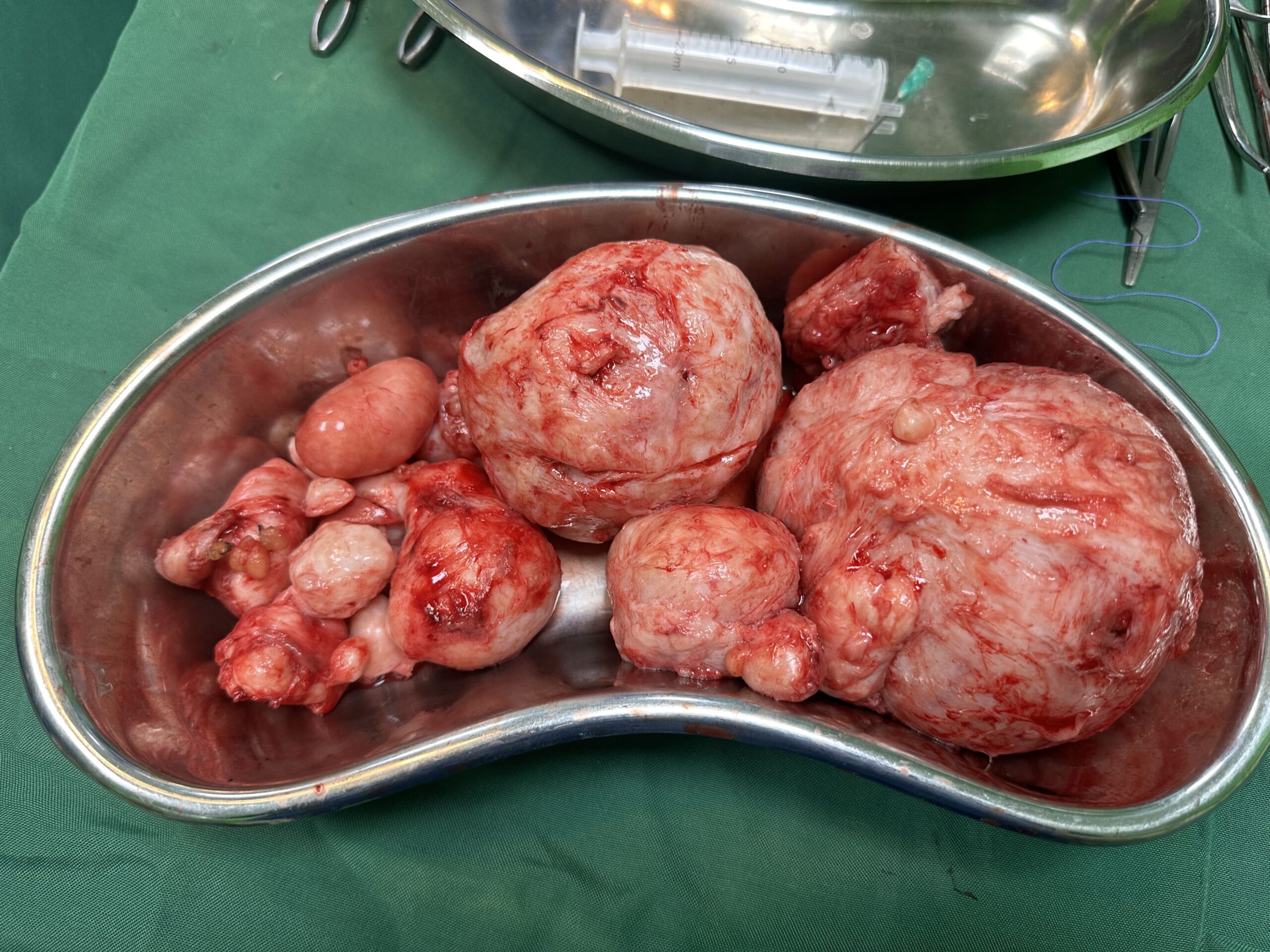
    Image of Removed Fibroids
    Image of Removed Fibroids

                                               Fibroids that have been surgically removed.

    Care after Surgery

    Early Ambulation.  Walking around post-fibroid surgery promotes proper blood circulation throughout the body, reduces the risk of post-operative complications such as deep vein thrombosis, and supports a faster recovery process.

    Blood Transfusion.  Procedures such as myomectomy may result in significant blood loss, necessitating blood transfusion to manage or prevent anemia-related complications.

    In Conclusion

    Women need to understand the symptoms associated with uterine fibroids. While some fibroids may remain asymptomatic, warning signs often include irregular heavy menstrual bleeding, lower abdominal swelling or pressure, frequent urination, and, in some cases, fertility challenges. Recognizing these symptoms early enables timely diagnosis and effective management.  Once diagnosed, it is important to engage in an open and informed discussion with your gynecologist. Together, you can navigate treatment options and plan for ongoing care that supports your reproductive health. With the right medical support, fibroids are treatable, allowing you to embrace womanhood fully and live a vibrant, healthy life.

  • Taking Charge of Your Health: A Modern Woman’s Guide to Obstetrics and Gynecology.

    Taking Charge of Your Health: A Modern Woman’s Guide to Obstetrics and Gynecology.

    Gynecology and obstetrics are crucial fields in women’s healthcare, addressing a wide range of medical concerns, with cervical cancer being one of the most noteworthy. According to the World Health Organization (WHO) in 2023, cervical cancer ranked as the fourth most common cancer among women worldwide, with approximately 660,000 new cases and 350,000 deaths reported in 2022.https://www.who.int/news-room/fact-sheets/detail/cervical-cancer

    Speaking with Savannah Hospital’s Obstetrician, Gynecologist Consultant, and Infertility Specialist, Dr. Wachira Murage, who brings 32 years of expertise to the field, he provides an in-depth analysis of the correlation between gynecology and obstetrics. Gynecology focuses on diagnosing and treating diseases of the female reproductive system, including conditions such as cervical cancer, uterine fibroids, endometriosis, and fertility issues. It plays a critical role in women’s health, addressing concerns that may impact their overall well-being and reproductive capabilities. On the other hand, Obstetrics is dedicated to comprehensive maternal care, covering prenatal health, childbirth, and postpartum recovery. This field ensures the health of both mother and baby throughout pregnancy and delivery, offering medical guidance and support to reduce complications and improve maternal outcomes.

    “Walking through the pregnancy journey with expectant mothers and upto 6 weeks after delivery when a woman’s body begins to return to its pre-pregnancy state.  Anything to do with pregnancy is what we call obstetrics.”

    For a normal gynecological examination, the gynecologist must first understand the patient’s complaints and symptoms to provide an accurate diagnosis and appropriate care. One of the commonest complains in gynecology is vaginal discharge. The nature of the vaginal discharge in terms of itchiness, smell and irritation will depend on the approach of diagnosis. Dr. Wachira asserts that patient history taking is the first important step, where you need to listen to their stories, and it will lead to what tests to do and planning of the treatment they need.

    “History taking will result in what examination a patient needs. A gynecological examination can involve abdomen and vaginal examination. Vaginal examination involves inspection through speculum examination where you want to see the inside of the outer female reproductive system. The next thing you want to do is palpation, where you use your hands to feel and assess the internal and external reproductive organs.”

    The types of gynecological infections vary from bacterial, fungal, and viral. Candidiasis is the most common infection caused by a yeast called Candida. One of the viral infections is Human Papillomavirus (HPV), which is now considered the cause of cervical cancer. Notably, you find cases of uterine fibroids and ovarian cysts of all types. Endometriosis is a chronic gynecological condition that has been referred to as the ‘missed disease’ due to its unclear etiology and inconsistencies in its diagnosis and management. Initially, people used to treat pelvic inflammatory diseases, and forget to look into endometriosis.

    Treatment and management of gynecological disorders vary depending on the type and stage of the infection. From recurrent infections like Candidiasis to uterine fibroids, where gynecologists treat symptomatic fibroids, which may include heavy or prolonged periods, bleeding between periods, pelvic pain, or abdominal discomfort. Once you have carried out a thorough systematic examination of the diagnosis, you can plan the pathway of management and counselling.

    “ Endometriosis can affect can affect the bladder and the gut, then you need a GID surgeon. If it affects, say, the bladder, you need a bladder surgeon. Yeah, so it’s normally a multidisciplinary kind of approach in some of those conditions. Some of them, of course, like fibroids, we deal with it. But other conditions like malignancy or endometriosis, we need the inputs of other specialists.”

    Some of the common misconceptions people have about gynecological health include;

    • Many believe that gynecologists should only be consulted during pregnancy or when a health issue arises. However, Obstetrician and Gynecologist Consultant Dr. Dorel Ndayisaba, with 10 years of expertise, emphasizes the importance of regular gynecological check-ups for preventive care.
      Routine visits can help detect conditions such as cervical cancer, sexually transmitted infections (STIs), and hormonal imbalances at an early stage, often before symptoms manifest. As with any aspect of health, prevention and early detection are essential in ensuring timely intervention and improved outcomes for women’s reproductive well-being.
    • Painful periods are normal—you just have to deal with them.
      While mild discomfort/cramps can be normal, severe period pain may be a sign of conditions like endometriosis, fibroids, or pelvic inflammation. Many women suffer in silence, thinking it’s something they have to endure, when in fact, it’s treatable.

    Indicators often serve as warning signs of potential underlying health issues that may develop or worsen over time. Here are the signs women should never ignore when it comes to their health:

    1. Abnormal Vaginal Bleeding

    This includes bleeding between periods, after sex, or after menopause. While it may sometimes be harmless, it can also signal serious conditions like uterine fibroids, hormonal imbalances, endometrial hyperplasia, or even cervical or uterine cancer. Early evaluation can be life-saving.

    1. Persistent Pelvic Pain

    Ongoing or recurring pain in the lower abdomen or pelvis (especially if it interferes with daily life) should never be brushed off. It could be a sign of endometriosis, pelvic inflammatory disease (PID), ovarian cysts, or even early-stage cancer. Many women normalize pelvic pain, but it deserves proper medical attention.

    In recent years, cases of women’s reproductive health issues have been increasingly prevalent in Africa. Dr. Dorel Ndayisaba outlines the biggest challenges affecting women’s health equity.

    1. Limited access to quality maternal and reproductive health services.

    Despite efforts to expand universal health coverage, many women in Africa (especially in rural or underserved areas) still lack access to skilled birth attendants, family planning, emergency obstetric care, and safe abortion services. Health systems often face underfunding, workforce shortages, and supply chain disruptions, which directly affect maternal and newborn outcomes.

    1. High burden of preventable conditions like cervical cancer and unsafe abortions.

    Cervical cancer remains a leading cause of cancer death among African women, largely due to low HPV vaccination and screening rates. Meanwhile, unsafe abortions continue to be a major contributor to maternal deaths, often due to legal, cultural, or logistical barriers to accessing safe services.

    1. Sociocultural barriers and misinformation.

    Deep-rooted stigma, myths around contraception or menstruation, and gender-based violence limit women’s ability to make informed reproductive choices. Adolescents and unmarried women, in particular, often face discrimination or lack access to youth-friendly reproductive services.

    There is a need to consider key health policy approaches that would significantly improve women’s health services in Africa and reduce the cases revolving around women’s reproductive health.

    1. Universal access to reproductive and maternal health services

    Policies should ensure free or subsidized access to essential services like antenatal care, skilled birth attendance, emergency obstetric care, contraception, and safe abortion (where legal). Integrating these into national health insurance schemes or essential benefit packages would be crucial.

    1. Investment in women’s health workforce and infrastructure

    There is a need to implement more policies geared towards incentivizing training, deployment, and retention of female health workers, especially midwives and OB-GYN specialists, in underserved areas. Investment in medical equipment (e.g., for MIS), telemedicine, and mobile outreach would be a boost in the world of gynecology and obstetrics.

    1. Youth-friendly sexual and reproductive health policies

    Africa is composed of 60 % + of young people. Inadequately centered programs targeting the youth (both boys and girls) are a big gap that all governments should address. Creation and enforcement of policies that would provide appropriate reproductive health services to adolescents, including access to sexual and contraception education, and menstrual health education.

    Advancements in obstetrics and gynecological medicine have seen significant progress in recent years. According to Dr. Dorel, the following developments have played a key role in improving diagnosis and treatment outcomes:

    1. Growth of Minimally Invasive Surgery (MIS)

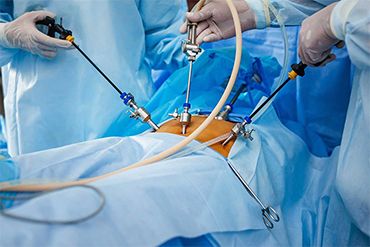
    There is a rising shift from open surgeries to laparoscopic and hysteroscopic procedures, particularly in urban referral centers. Minimally invasive techniques offer faster recovery, reduced hospital stays, and fewer complications; The benefits that are increasingly valued as surgical training improves and more hospitals invest in MIS equipment.

    Minimally invasive surgery

    2. Uptake of long-acting reversible contraceptives (LARCs)

    There is growing demand for implants and IUDs due to their convenience, effectiveness, and support from international donor programs. Training efforts are underway to equip mid-level providers to insert and remove LARCs safely.

    3. Renewed focus on endometriosis and menstrual health.

    Traditionally, underdiagnosed and poorly understood, endometriosis and menstrual disorders are gaining attention thanks to advocacy, research, and clinician training. There has been a record of more women speaking out, and medical curricula are slowly incorporating these conditions more comprehensively.

    4. HPV Vaccination & Cervical Cancer Screening Innovations.

    Countries are expanding HPV vaccination programs for adolescent girls, while self-sampling for HPV testing is being piloted to improve access to screening, especially in low-resource settings. Additionally, there is a push to integrate cervical cancer prevention into existing maternal and HIV care platforms.


    To better understand your gynecological symptoms or concerns, it is important to schedule an appointment with a qualified gynecologist. Dr. Wachira Murage advises that a medical professional should verify any information obtained online to ensure an accurate diagnosis and appropriate treatments.  If necessary, seek a second professional opinion to avoid undergoing unnecessary medical procedures. Be part of your treatment and understand why a particular procedure needs to be done.


    At Savannah Hospital, our board-certified specialists bring decades of clinical experience in the field of obstetrics and gynecology. We are committed to a patient-centered approach that emphasizes respect, confidentiality, and affordability. Our care packages are designed to promote preventive care and support early detection of potential health issues.
  • Prioritizing Maternal and Child Health: A Pathway to Achieving the United Nation’s (UN) Sustainable Development Goals

    Prioritizing Maternal and Child Health: A Pathway to Achieving the United Nation’s (UN) Sustainable Development Goals

    Pregnancy, a time of boundless anticipation and joy, is also a period of profound vulnerability, where the health and well-being of both mother and child hang delicately in the balance. In this pivotal journey, the significance of comprehensive prenatal care cannot be overstated. From routine check-ups to state-of-the-art hospital facilities, every aspect plays a pivotal role in ensuring safe pregnancies and reducing mortality rates for both mother and child. Maternal Mortality remains a key issue affecting women of reproductive age across the African Region. According to World Health Organization’s March 2023 Analytical Fact Sheet, despite the global decline in the maternal mortality ratio (MMR) to 34.2% between 2000 and 2020, MMR is still a disaster in the Africa region. In Kenya, between 2017 and 2020, maternal mortality increased by 55%. With more than two-thirds (69%) of maternal deaths occurring in the African Region, signalling an urgent call for Governments and other Health Actors to focus efforts on SDG Target 3.1 which seeks to prioritize maternal health and reduce the global maternal mortality ratio to less than 70 per 100,000 live births by 2030. Achieving this goal requires concerted efforts at both the local and global levels, with a steadfast commitment to ensuring safe pregnancies and improving access to essential healthcare services for expectant mothers worldwide.


    Central to the realization of SDG Target 3.1 is the promotion of safe pregnancy practices and comprehensive prenatal care. The benefits of safe pregnancy extend far beyond the individual mother and child, encompassing broader societal and economic advantages. By prioritizing regular prenatal checks and screenings, healthcare providers can identify and address potential risk factors and complications early on, significantly reducing the likelihood of adverse outcomes for both mother and baby. From monitoring foetal growth to detecting gestational diabetes and hypertensive disorders, these routine checks play a crucial role in safeguarding maternal and neonatal health.


    Similarly, SDG Target 3.2 aims to end preventable deaths of new-borns and children under five years of age by 2030. This target emphasizes the importance of reducing neonatal and under-five mortality rates through improved access to healthcare services and essential interventions. Research consistently underscores the correlation between comprehensive prenatal care and improved maternal and neonatal health outcomes Investing in good hospital facilities for pregnant mothers and ensuring access to skilled birth attendants can significantly reduce the risk of maternal and neonatal complications during childbirth. Furthermore, the provision of theatre delivery facilities offers a vital contingency plan for emergency situations, reducing the risk of maternal and neonatal complications during childbirth, improving mortality rates for both mother and child.


    Investments in maternal healthcare infrastructure not only improve mortality rates for mothers and children but also yield significant societal benefits. By reducing maternal mortality and morbidity, countries can enhance overall population health, promote economic development, workforce productivity, alleviate poverty, and promote gender equality. Additionally, investing in maternal and child health contributes to the intergenerational cycle of health and well-being, laying the foundation for healthier families and communities for generations to come.


    In line with its commitment to promoting both maternal and child health, The Savannah Hospital recently organized a free fair for pregnant mothers as part of its Corporate Social Responsibility (CSR) initiatives which saw over XXXX pregnant mums & their partners attend. The fair aimed to raise awareness about the importance of prenatal care, provide access to essential healthcare services, and empower expectant mothers with the knowledge and resources needed to ensure a safe and healthy pregnancy. From educational sessions to free health screenings and consultations, the fair served as a testament to The Savannah Hospital’s dedication to improving maternal health outcomes and contributing to the overall achievement of UNSDG 3: GOOD HEALTH AND WELLBEING, and specifically SDG Targets 3.1 and 3.2.


    In conclusion, achieving SDG Targets 3.1 and 3.2 requires a collaborative and comprehensive approach that prioritizes safe pregnancy practices, access to quality healthcare services, and investment in maternal and child health infrastructure. By working together with the National & County Governments, and other Health Actors to promote maternal and child health, we can create a healthier, more equitable world for generations to come.


    The Writer Dr Wachira Murage, is founder and Director of both The Savannah Hospital and CrotonHealth Foundation.

  • How to tell if your child has congenital heart disease

    Congenital heart disease (CHD) refers to a range of birth defects affecting the structure and function of the heart.

    CHDs are present at birth and can affect the structure of a baby’s heart and the way it works. They can affect how blood flows through the heart and out to the rest of the body. CHDs can vary from mild (such as a small hole in the heart) to severe (such as missing or poorly formed parts of the heart). Children with CHD are about 50% more likely to receive special education services compared to children without birth defects.

    About 1 in 4 babies born with a heart defect has a critical CHD (also known as critical congenital heart defect). Babies with a critical CHD need surgery or other procedures in the first year of life. The prevalence (the number of babies born with heart defect compared to the total number of births) of some CHDs, especially mild types, is increasing, while the prevalence of other types has remained stable. The most common type of heart defect is a ventricular septal defect where there is a hole in the wall (septum) that separates the two lower chambers (ventricles) of the heart.

    Symptoms of CHD can vary widely depending on the type and severity of the defect. Here are some signs that may indicate a child has congenital heart disease:

    Cyanosis: This is a bluish tint to the skin, lips, and nails, caused by decreased oxygen levels in the blood. Cyanosis is often most noticeable when the child is active or crying.

    Rapid breathing: Children with CHD may breathe faster than normal or have difficulty breathing, especially during feeding or physical activity.

    Poor feeding or difficulty gaining weight: Some infants with CHD may tire easily during feeding due to the extra effort required to breathe and feed simultaneously.

    Fatigue: Children with CHD may tire easily during physical activity or appear excessively sleepy or lethargic.

    Delayed growth and development: Children with CHD may have slower growth rates or delays in reaching developmental milestones compared to their peers.

    Heart murmurs: A healthcare provider may detect abnormal heart sounds, known as heart murmurs, during a physical examination. While not all heart murmurs indicate CHD, they can be a clue that further evaluation is needed.

    Recurrent respiratory infections: Children with CHD may be more susceptible to respiratory infections due to the strain on their heart and lungs.

    Swelling: In some cases, children with CHD may develop swelling in the legs, abdomen, or around the eyes due to fluid retention.

    Clubbing: Clubbing refers to the rounding and enlargement of the fingertips and nails. It can be a sign of decreased oxygen levels in the blood, which may occur with certain types of CHD.

    It’s important to note that not all children with CHD will exhibit these symptoms, and some may not show any signs at all. Additionally, some symptoms may not become apparent until later in childhood or adolescence. If you suspect your child may have congenital heart disease, it’s crucial to consult a pediatrician or pediatric cardiologist for a thorough evaluation and appropriate management. Early diagnosis and treatment can significantly improve outcomes for children with CHD. Generally, with proper treatment and care, one is still able to survive with Congenital Heart Disease up to 35 years and sometimes beyond.  Regular visits with a cardiologist are important, because they allow the parents of children with heart defects to make the best possible choices for the health of their child. These visits also allow adults living with a heart defect to make the best possible choices for their own health.

    Reference: CDC.

  • World Cancer Day 2024

    It started as a minor swelling around his left breast. He was a bright, enthusiastic teenager who loved playing soccer, reading adventure books, and spending time with his friends. He went on with normal tasks even going to school and church. The swelling gained momentum and not so long, people noticed his left breast was larger than the right. As soon as his classmates noticed the changes in his body, whispers and laughter followed him wherever he went. His once vibrant social life became overshadowed by the cruel taunts and teasing of his peers. The stigma surrounding his condition left him feeling embarrassed and ashamed, causing him to withdraw from activities he once enjoyed. Struck by stigma, he could no longer go out and mingle with his peers.

    After seeking medical attention in various facilities, he landed at The Savannah Hospital in Upperhill. His life took an unexpected turn when he was diagnosed with Burkitt’s lymphoma, a rare and aggressive form of cancer. Burkitt’s lymphoma is a highly aggressive non-Hodgkin’s lymphoma that can affect various parts of the body including breast. This sarcoma is identified as a rapidly fatal malignant lymphoma syndrome and 50% of all malignant tumors in children. However, breast involvement has not been documented. It commonly involves the jaw, facial bones, retroperitoneum, and abdominal viscera. The disease typically affects young patients in areas of high incidence, such as the jaw, whereas visceral involvement is more common in older patients in low-incidence areas. It is worth noting that breast involvement is extremely rare in Burkitt’s lymphoma.

    This 19-year-old male presented to our emergency department with a left breast swelling for 2 months associated with drenching night sweats, weight loss and evening fevers. Physical examination revealed a mass measuring approximately 15 × 16 × 15 cm in the widest dimension, skin hyperpigmentation, no nipple discolorations, discharges, and non-tender on palpation. Biopsy was done, and the histology report revealed lymphocytes with a high mitotic rate and frequent apoptotic bodies showing a starry-sky appearance.

    The patient underwent a pre-chemotherapy workup that included a lumber puncture for cerebral spinal fluid analysis to rule out central nervous system involvement, various blood tests, chest CT Scan (which showed no pulmonary metastases). He was put on medication that saw the swelling subside significantly and is doing better each day. We appreciate Dr. Kato and The Savannah Hospital for walking the journey with this vulnerable boy. The team has mobilised friends, family, peers and communities to offer the required support because we know that together we can achieve almost anything. We know anyone can get cancer, but not everyone has the same access to cancer care. We appreciate the efforts done by the Kenyan Ministry of Health in supporting Cancer patients and urge the Kenyan Government to ensure equality in Cancer Care for all.

    Research article done by:
    Dr kato Ronald et al. A rare case of Burkitt’s lymphoma of the breast in a 19-year-old male: Case report. Clin Case Rep. 2023 Oct 17;11(10):e8081. http://doi.org/10.1002/ccr3.8081. PMID: 37854259; PMCID: PMC10580697.

    Storyline by Celestine Nasimiyu.

  • COVID-19 Vaccine Myths and Facts

    COVID-19 Vaccine Myths and Facts

    Now that the U.S. Food and Drug Administration has authorized vaccines for COVID-19, and their distribution has begun, Lisa Maragakis, M.D., M.P.H., senior director of infection prevention, and Gabor Kelen, M.D., director of the Johns Hopkins Office of Critical Event Preparedness and Response, review some common myths circulating about the vaccine and clear up confusion with reliable facts. (more…)

  • High blood pressure and pregnancy: Know the facts

    Having hypertension during pregnancy requires close monitoring. Here’s what you need to know.

    What are the types of high blood pressure during pregnancy?

    Sometimes high blood pressure is present before pregnancy. In other cases, high blood pressure develops during pregnancy.

    • Gestational hypertension. Women with gestational hypertension have high blood pressure that develops after 20 weeks of pregnancy. There is no excess protein in the urine or other signs of organ damage. Some women with gestational hypertension eventually develop preeclampsia.
    • Chronic hypertension. Chronic hypertension is high blood pressure that was present before pregnancy or that occurs before 20 weeks of pregnancy. But because high blood pressure usually doesn’t have symptoms, it might be hard to determine when it began.
    • Chronic hypertension with superimposed preeclampsia. This condition occurs in women with chronic hypertension before pregnancy who develop worsening high blood pressure and protein in the urine or other blood pressure related complications during pregnancy.
    • Preeclampsia. Preeclampsia occurs when hypertension develops after 20 weeks of pregnancy, and is associated with signs of damage to other organ systems, including the kidneys, liver, blood or brain. Untreated preeclampsia can lead to serious — even fatal — complications for mother and baby, including development of seizures (eclampsia).

      Previously, preeclampsia was diagnosed only if a pregnant woman had high blood pressure and protein in her urine. Experts now know that it’s possible to have preeclampsia without having protein in the urine.

    Why is high blood pressure a problem during pregnancy?

    High blood pressure during pregnancy poses various risks, including:

    • Decreased blood flow to the placenta. If the placenta doesn’t get enough blood, your baby might receive less oxygen and fewer nutrients. This can lead to slow growth (intrauterine growth restriction), low birth weight or premature birth. Prematurity can lead to breathing problems, increased risk of infection and other complications for the baby.
    • Placental abruption. Preeclampsia increases your risk of this condition in which the placenta separates from the inner wall of your uterus before delivery. Severe abruption can cause heavy bleeding, which can be life-threatening for you and your baby.
    • Intrauterine growth restriction. Hypertension might result in slowed or decreased growth of your baby (intrauterine growth restriction).
    • Injury to your other organs. Poorly controlled hypertension can result in injury to your brain, heart, lungs, kidneys, liver and other major organs. In severe cases, it can be life-threatening.
    • Premature delivery. Sometimes an early delivery is needed to prevent potentially life-threatening complications when you have high blood pressure during pregnancy.
    • Future cardiovascular disease. Having preeclampsia might increase your risk of future heart and blood vessel (cardiovascular) disease. Your risk of future cardiovascular disease is higher if you’ve had preeclampsia more than once or you’ve had a premature birth due to having high blood pressure during pregnancy.

    How will I know if I develop hypertension during pregnancy?

    Monitoring your blood pressure is an important part of prenatal care. If you have chronic hypertension, your health care provider will consider these categories for blood pressure measurements:

    • Elevated blood pressure. Elevated blood pressure is a systolic pressure ranging from 120 to 129 millimeters of mercury (mm Hg) and a diastolic pressure below 80 mm Hg. Elevated blood pressure tends to get worse over time unless steps are taken to control blood pressure.
    • Stage 1 hypertension. Stage 1 hypertension is a systolic pressure ranging from 130 to 139 mm Hg or a diastolic pressure ranging from 80 to 89 mm Hg.
    • Stage 2 hypertension. More severe hypertension, stage 2 hypertension is a systolic pressure of 140 mm Hg or higher or a diastolic pressure of 90 mm Hg or higher.

    After 20 weeks of pregnancy, blood pressure that exceeds 140/90 mm Hg — documented on two or more occasions, at least four hours apart, without any other organ damage — is considered to be gestational hypertension.

    How will I know if I develop preeclampsia?

    Besides high blood pressure, other signs and symptoms of preeclampsia include:

    • Excess protein in your urine (proteinuria) or additional signs of kidney problems
    • Severe headaches
    • Changes in vision, including temporary loss of vision, blurred vision or light sensitivity
    • Upper abdominal pain, usually under your ribs on the right side
    • Nausea or vomiting
    • Decreased urine output
    • Decreased levels of platelets in your blood (thrombocytopenia)
    • Impaired liver function
    • Shortness of breath, caused by fluid in your lungs

    Sudden weight gain and swelling (edema) — particularly in your face and hands — often accompanies preeclampsia. But they also occur in many normal pregnancies, so weight gain and swelling aren’t considered reliable signs of preeclampsia.

    Is it safe to take blood pressure medication during pregnancy?

    Some blood pressure medications are considered safe to use during pregnancy, but angiotensin-converting enzyme (ACE) inhibitors, angiotensin II receptor blockers and renin inhibitors are generally avoided during pregnancy.

    Treatment is important, however. High blood pressure puts you at risk of heart attack, stroke and other major complications. And it can be dangerous for your baby.

    If you need medication to control your blood pressure during pregnancy, your health care provider will prescribe the safest medication at the most appropriate dose. Take the medication exactly as prescribed. Don’t stop taking the medication or adjust the dose on your own.

    What should I do to prepare for pregnancy?

    If you have high blood pressure, schedule a preconception appointment with the health care provider who’ll handle your pregnancy. Also meet with other members of your health care team, such as your family doctor or cardiologist. They’ll evaluate how well you’re managing your high blood pressure and consider treatment changes you might need to make before pregnancy.

    If you’re overweight, your health care provider might recommend losing the excess pounds before you try to conceive.

    What can I expect during prenatal visits?

    During pregnancy, you’ll see your health care provider often. Your weight and blood pressure will be checked at every visit, and you might need frequent blood and urine tests.

    Your health care provider will closely monitor your baby’s health, as well. Frequent ultrasounds might be used to track your baby’s growth and development. Fetal heart rate monitoring might be used to evaluate your baby’s well-being. Your health care provider might also recommend monitoring your baby’s daily movements.

    What can I do to reduce the risk of complications?

    Taking good care of yourself is the best way to take care of your baby. For example:

    • Keep your prenatal appointments. Visit your health care provider regularly throughout your pregnancy.
    • Take your blood pressure medication as prescribed. Your health care provider will prescribe the safest medication at the most appropriate dose.
    • Stay active. Follow your health care provider’s recommendations for physical activity.
    • Eat a healthy diet. Ask to speak with a nutritionist if you need additional help.
    • Know what’s off-limits. Avoid smoking, alcohol and illicit drugs. Talk to your health care provider before taking over-the-counter medications.

    Researchers continue to study ways to prevent preeclampsia, but so far, no clear strategies have emerged. If you had a hypertensive disorder in a prior pregnancy, your doctor might recommend a daily low-dose aspirin (81 milligrams) beginning late in your first trimester.

    What about labor and delivery?

    Your health care provider might suggest inducing labor before your due date to avoid complications. The timing of your induction is based both on how well-controlled your blood pressure is, whether you have end-stage organ damage, and whether your baby has complications, such as intrauterine growth restriction due to your hypertension.

    If you have preeclampsia with severe features, you might be given medication during labor to help prevent seizures.

    Will I be able to breast-feed my baby?

    Breast-feeding is encouraged for most women who have high blood pressure, even those who take medication. Discuss medication adjustments you’ll need to make with your health care provider before your baby is born. Sometimes an alternate blood pressure medication is recommended.

    Source

  • Congratulations – you’re pregnant!

    Congratulations– you’re pregnant! Now that you’ve calmed down some from the initial excitement, it’s time to focus on the most important thing: your health and the baby’s health. Savannah Healthcare Services, provides gynecological and obstetric care for women at every stage of life. Dr. Wachira Murage is one of the finest OB/GYNs in Kenya. Here are some tips for having a healthy pregnancy.

    1. Choose a qualified OB/GYN.

    Choosing an OB/GYN who will help care for you during your pregnancy, labor and delivery is very important. An OB/GYN is a medical doctor who is specially trained to provide medical and surgical care to women. To verify the credentials of an OB/GYN, contact the Kenya Medical Practitioners and Dentist Board. You will be seeing your OB/GYN often over the coming months, so it’s important to find a good match.

    2. Schedule a prenatal appointment.

    Once you’ve made your decision, help get your pregnancy off to a healthy start by scheduling your first prenatal appointment. Many doctors will schedule your first visit for when you’re about 8 weeks pregnant. Some doctors will see you sooner, especially if you have a health condition, or are having symptoms such as abdominal pain, vaginal bleeding, or nausea and vomiting. Regular appointments with your doctor throughout your pregnancy are important to ensure the health of you and your baby.

    3. Get an ultrasound during pregnancy.

    Ultrasound is a prenatal test offered to expectant mothers. The test uses sound waves to show a picture of your baby in the uterus. Most women get their first ultrasound in their second trimester at 18-20 weeks of pregnancy. The purpose of the test is to find out how many babies you are carrying, and whether they are developing normally. Your first ultrasound can be very exciting because it gives you the first glimpse of your child.

    4. Get the screening tests you need.

    Prenatal screening tests are done to determine whether a baby is likely to have specific birth defects. A prenatal screening test can only provide your risk, or probability, that a particular condition exists. Most of these screening tests are noninvasive. These tests are usually performed during the first and second trimesters.

    5. Pay attention to your health.

    A healthy lifestyle is always important – but when you’re pregnant, it’s that much more vital. So make sure you eat a healthy diet, get plenty of sleep, start taking a prenatal vitamin, get enough folic acid and consider a pregnancy-friendly exercise routine. Also, remember to drink seven to ten glasses of water per day and choose skim milk and real fruit juices instead of sodas.

    6. Avoid these pregnancy no-nos.

    Some things should be avoided during your pregnancy. These include cigarette smoke, alcohol, certain foods, too much caffeine, recreational drugs, as well as certain behaviors and activities. Talk to your doctor to find out more about what you may need to steer clear of. Don’t take any medications, even OTC medications, unless you have discussed them with your OB/GYN.

    Now that you’re pregnant, it’s really important to take steps to achieve your goal—having a healthy baby. Call Savannah Healthcare Services at 0723975300 right now to schedule an appointment. Seeing an OB/GYN is among the best ways you can help protect your child’s health and well-being. Be assured that our staff will provide you with the best care possible as you prepare for one of your life’s most miraculous events- the birth of your child.